A Practical Review of the Emergency Nurse SVG Design
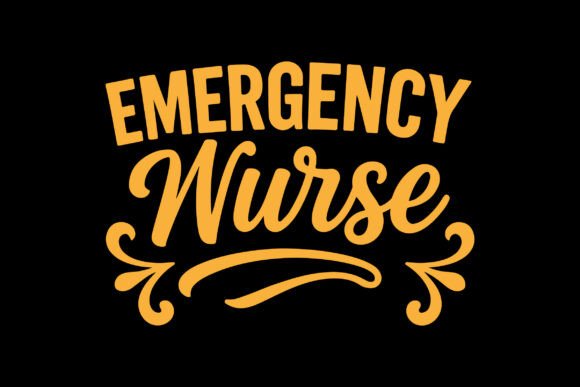
When you find a design titled 'Emergency Nurse SVG', especially a free one, the immediate question for any working crafter is not about its availability, but its utility. How does this digital file translate into a real, stitched product that feels professional, looks clean, and serves a purpose? I'm looking at this not as a download, but as a potential asset for my next project, be it a custom gift for a nursing graduate or merchandise for a small healthcare-themed boutique.
The First Impression: Clean Lines and Clear Purpose
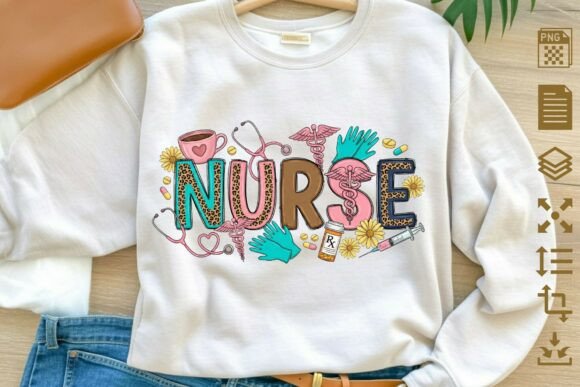
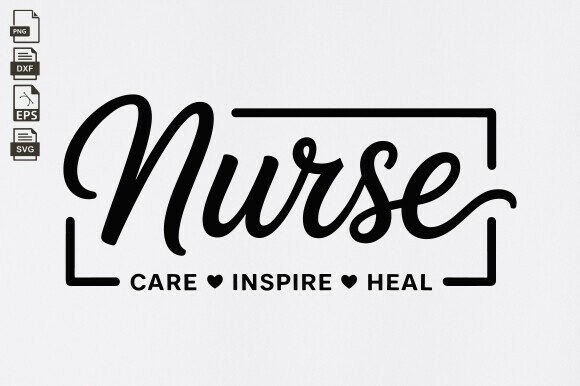
The design presents a straightforward, recognizable theme. This isn't a overly decorative or whimsical illustration; it carries a direct, respectful mood. For embroidery, this is a strong starting point. The layout and likely detail level suggest it’s built for clarity rather than intricate fill stitch patterns, which means it should stitch out cleanly without becoming a dense, stiff patch on fabric. Its visual personality is professional and appreciative, making it naturally belong to projects meant as gifts of recognition or wearable pride.
Where This Design Finds Its Home in Real Projects
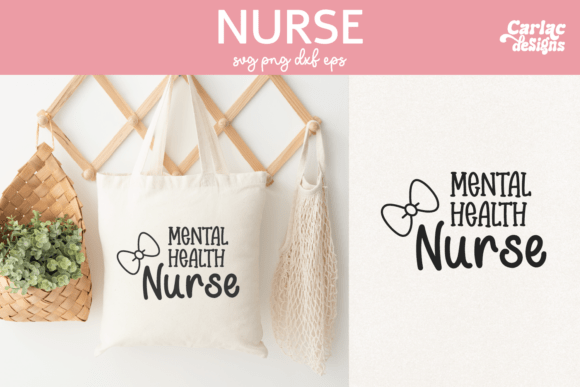
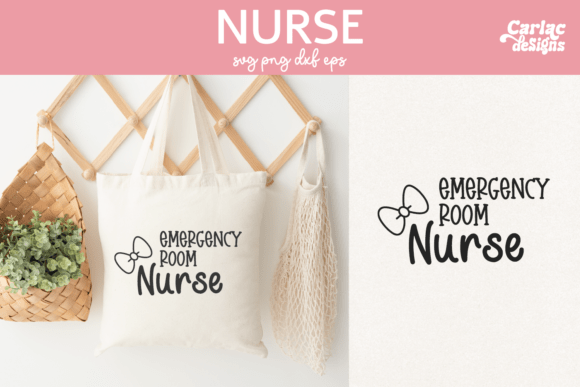
Thinking through my upcoming work, a few applications come to mind immediately. A custom embroidered tote bag for a nurse, perhaps filled with their everyday essentials, would be a perfect fit. The design’s scale and theme would translate well onto a bag’s canvas or cotton fabric. Similarly, a neat embroidery on the left chest of a high-quality sweatshirt creates a personal, understated item of apparel. For baby items, if we’re celebrating a new arrival in a nursing family, a small, simplified version on a blanket corner or a delicate baby bib could be incredibly sweet.
The design also has strong potential as an embroidered patch. This opens up versatility: it could be applied to a nurse’s cap, a durable apron, or even a pillow cover for a cozy home office. As a craft business owner, I envision this on tea towels or kitchen towels for a nurse’s home, or as part of a holiday gift bundle. For an Etsy seller or small shop, this graphic could anchor a line of 'healthcare hero' merchandise—its clear theme engages a specific, appreciative buyer.
Navigating the Stitching Practicalities
In real-life embroidery situations, performance is everything. On apparel like t-shirts or sweatshirts, the key will be managing stitch density. A design with too many tight satin stitch areas can make stretchy fabric stiff and uncomfortable. Based on the clean look, I suspect this file might be well-suited for a mix of running stitch outlines and lighter fill, which is ideal for wearable comfort. For caps or curved surfaces, checking how the design adapts to a smaller hoop size is crucial—tiny lettering or detailed corners can lose clarity on a curved hat base.
Dark fabric presents a classic challenge. The visual appeal depends entirely on thread color contrast. Before running the machine embroidery design, I’d always test on scrap fabric first, especially if the final product will be on a navy or black polo shirt. Similarly, textured fabrics like some tote bag materials require proper stabilizer choice to keep the stitches sharp. For products needing frequent washing, like baby clothes or kitchen towels, a robust and secure stitch path is vital for longevity and customer trust.
Careful Considerations for Professional Results
Not every project is a perfect fit. This 'Emergency Nurse SVG' might need careful scaling for very small hoop sizes. If the design includes fine decorative accents or small text, embroidering it onto a thin, lightweight fabric could risk puckering or visibility issues. I'd advise testing it in both black and white digital mockups to preview its form on light and dark backgrounds before committing thread and time.
For commercial embroidery projects or selling finished products like patches or branded tote bags, the most critical step is confirming licensing. The product description notes it's a cutting file for use on various items, but a professional must verify whether this free graphic includes clear permission for commercial use of the embroidered end product. Never assume. This due diligence protects your craft business and ensures brand consistency across your merchandise.
Embroidery Designer Notes for a Smooth Process
My practical workflow for a design like this always includes these steps:
- Run a test on scrap fabric identical to the final project material.
- Review the stitch density in the embroidery file preview; look for overly dense blocks that might require adjustment.
- Check thread color contrast for the intended fabric background—sometimes a slight shade change increases clarity dramatically.
- Confirm the physical hoop size needed for the desired final product size.
- Inspect small details in the test stitch-out; ensure lettering is legible and corners are clean.
- Use the appropriate stabilizer for the fabric texture, be it a stretchy sweatshirt or a rigid bag.
- Understand the design’s intent: is it best as a standalone statement on a tote, or a smaller accent on a baby item?
These checks turn a digital file into a reliable design asset. They affect the final product’s handmade presentation, its giftability, and its perceived professionalism. A well-executed embroidery from this design can look like a thoughtful, personalized gift or a high-value small shop product. A rushed, poorly planned one can undermine buyer engagement and your own brand.
The Final Stitch: Value Beyond the Download
Evaluating the 'Emergency Nurse SVG' for real project use circles back to purpose. Its value isn’t in being free, but in being usable. For the crafter, hobbyist, or creative entrepreneur, it represents a starting point for a project that carries meaning. In the hands of an experienced designer, with attention to fabric, stitch, and context, it can become a clean, respectful, and professionally finished piece. Whether that finished product is an embroidered patch on a nurse’s cap, a subtle design on a boutique pillow cover, or a bold statement on a holiday gift sweatshirt, its success hinges on treating the digital graphic as a blueprint, not a guarantee. The real design work begins when you load the file and start planning your stitch.