A Practical Review of the Emergency Care Nurse SVG for Embroidery Projects
When a digital embroidery design lands in my download folder, my first question isn’t about file formats or stitch counts. It’s about real-life application. How will this design translate from screen to thread? What kind of project does it truly belong to? Today, I’m considering the Emergency Care Nurse SVG for exactly that purpose.
The Immediate Personality of this Nurse Design
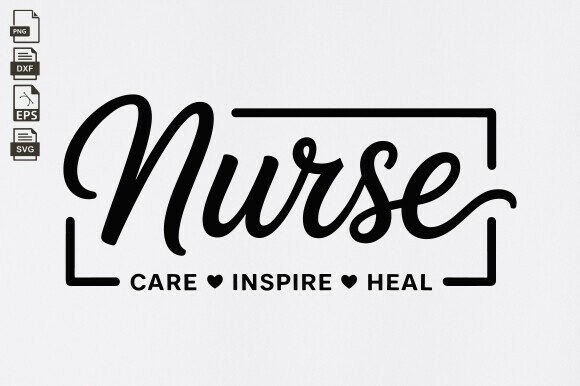
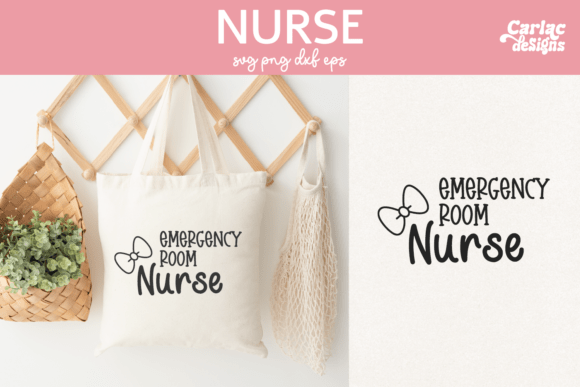
The first impression here is one of clear, professional appreciation. The design leans into a classic, recognizable theme with a sense of straightforward purpose. It doesn’t feel overly whimsical or densely detailed, which is actually a significant advantage for many embroidery projects. This visual personality suggests it’s meant to be understood quickly and worn with pride—a badge of honor rather than a decorative pattern. The layout feels balanced, with elements that seem designed to stitch out cleanly without an excessive number of tiny, problematic details.
Where This Design Naturally Belongs
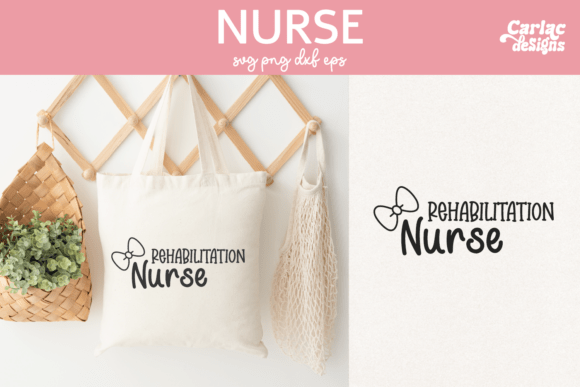
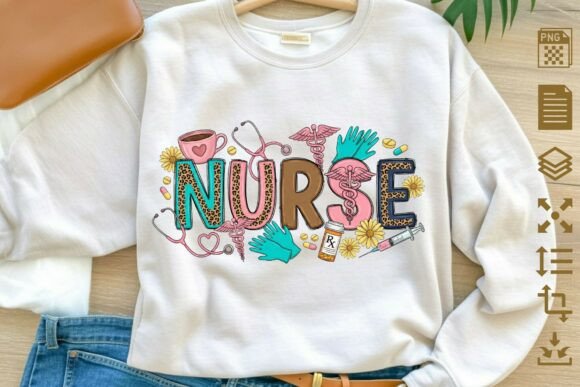
In my mind, this embroidery file immediately conjures up a few perfect applications. I picture it on a custom tote bag for a nursing student, a sturdy sweatshirt for an experienced ER nurse, or a thoughtfully embroidered pillow cover as a heartfelt gift for someone finishing their degree. It has that blend of professional symbolism and personal tribute that makes for excellent personalized gifts and small shop merchandise. For an Etsy seller or boutique focusing on healthcare heroes, graduation gifts, or custom apparel for professionals, this design could become a core part of their offerings.
Performance in Real Embroidery Situations
Let’s talk about stitching it out. I envision using this on a mid-weight cotton tote or a poly-cotton blend sweatshirt as a test case. The design’s apparent simplicity suggests it would handle well on these common substrates. The likely use of clean lines and solid shapes means satin stitches and fill stitches should build a satisfying, bold appearance. On a baby blanket or a nurse’s cap, however, the scale becomes critical. You’d need to carefully adjust the size to ensure the potentially smaller lettering or symbolic elements remain crisp on textured fabrics or curved surfaces.
For commercial embroidery projects, like a batch of patches for a hospital event or branded aprons for a clinic, this kind of design can be efficient. Its straightforward nature often translates to consistent stitch-outs and fewer thread breaks, which is crucial for production runs. In digital product previews and printable mockups for your craft business, it presents as a strong, saleable graphic asset.
Scenarios Where Extra Care is Needed
Every design has its delicate points. For the Emergency Care Nurse SVG, I’d pay special attention if moving into very small hoop sizes for, say, a delicate tea towel corner or a child’s garment. Any condensed details could become muddled. Similarly, on dark fabric backgrounds, thread color contrast is paramount—you might need to opt for very light or even metallic threads to maintain clarity.
Stretchy fabrics like certain t-shirt knits or thin materials like fine linen require the right stabilizer strategy to prevent distortion. And on items destined for frequent washing, like kitchen towels or everyday caps, you’ll want to ensure the stitch density is robust enough to withstand wear without compromising the design’s integrity.
Impact on Product Value and Customer Perception
How does using this design affect your finished product? When stitched well, it communicates professionalism and specific appreciation. That directly enhances perceived value. A customer receiving an embroidered pillow with this design isn’t just getting a decorative item; they’re receiving a meaningful acknowledgment. For a small business owner, that builds customer trust and elevates your handmade presentation beyond generic offerings.
It aids in brand consistency if your shop focuses on healthcare, gratitude, or professional celebration themes. The giftability is high, particularly around holidays, graduations, or Nurse’s Week. The recognition factor is instant, which drives buyer engagement in both craft fair settings and online Etsy listings.
Essential Designer Notes Before You Stitch
Before you commit this to a client project or your best selling sweatshirt, run a practical checklist. Always test the design on scrap fabric first, preferably the same material you intend to use. This reveals everything: how small details like tiny lettering stitch out, the true thread color contrast needed, and whether the stitch density feels right for the fabric weight.
- Check the design in both black and white mockups to visualize it on light and dark backgrounds.
- Confirm your hoop size can accommodate the design at your desired scale without forcing excessive resizing.
- Use proper stabilizer for your chosen fabric—this is non-negotiable for clarity.
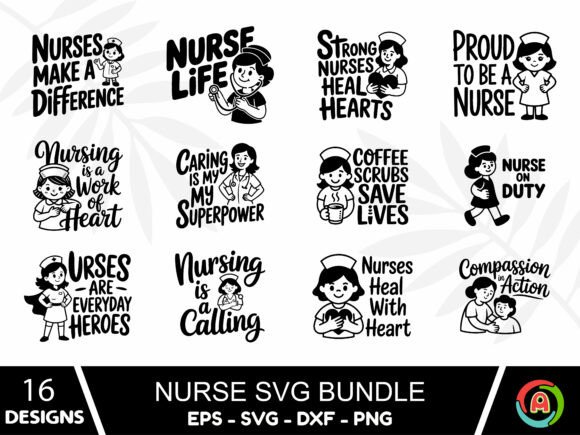
- Crucially, review the provided formats—SVG, PNG, DXF, EPS—to ensure compatibility with your software and embroidery machine. The files come compressed in a zip, so organize them clearly.
- And most importantly for commercial use: confirm the licensing terms before selling finished items or digital products derived from this graphic. The product description doesn’t specify these terms, so it’s your responsibility to verify them.
The Final Practical Judgment
The Emergency Care Nurse SVG strikes me as a versatile, purpose-driven graphics file for the craft and embroidery community. Its strength lies in its thematic clarity and likely technical simplicity, making it a reliable choice for a range of projects from personal gifts to commercial merchandise. Its success, however, will always depend on that critical bridge between the digital file and the physical stitch. By approaching it with a practical, tested methodology—mindful of scale, fabric, and end-use—you can transform this design into an embroidery project that truly honors its subject and satisfies its recipient. That’s the real measure of a good embroidery design.