Stethoscope Heart SVG: A Design Review for Embroidery Projects
When I’m looking at a new design for embroidery, I don’t just see the digital file. I see the final product. I imagine how it will stitch out, how it will feel on fabric, and how the person receiving it will react. The Stethoscope Heart SVG is one of those designs that immediately sparks a practical project story in my mind.
A First Impression That Serves a Purpose
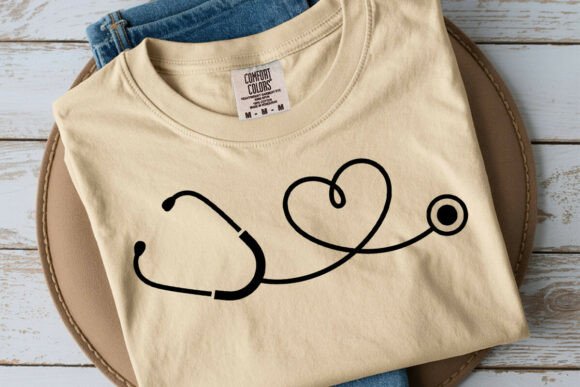
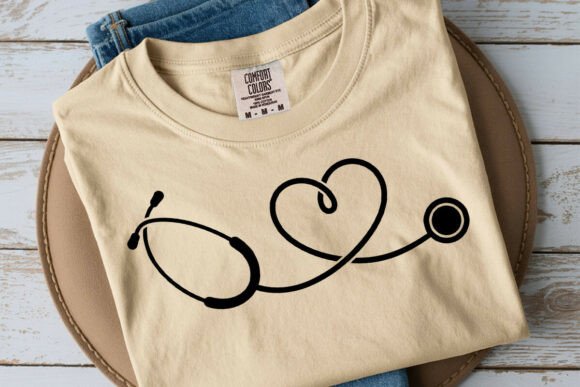
The mood here is clear: appreciation and care. The clever combination of a medical stethoscope forming the shape of a heart is a visual shorthand for a nurse or doctor’s compassionate work. It’s not overly complex or fussy; it has a friendly, recognizable personality. For embroidery, this means the design belongs to projects meant to honor, thank, or celebrate someone in the medical field. It’s a symbol, and symbols stitch out beautifully when they’re well-conceived like this.
Where This Design Naturally Belongs in Your Work
Imagine you’re preparing a custom embroidered sweatshirt for a graduating RN, or a tote bag for a busy NP. This is the core application. It’s also perfect for a heartfelt pillow cover for a nurse’s lounge, an apron for a doctor who loves to cook, or a discreet yet meaningful patch on a blanket. As a boutique owner or Etsy seller, this design translates easily into holiday gifts, wedding gifts for medical professionals, or small shop merchandise for a hospital-themed gift shop. The transparent PNG background is a huge plus here, allowing for clean printable mockups and digital product previews before you even load the embroidery file.
Performance on Real Fabrics and Products
In real-life embroidery situations, the success of a design like the Stethoscope Heart SVG hinges on its clarity. The shape is defined and should translate well into satin stitches for the outline and fill stitches for the heart interior. On a cotton tote bag or a sturdy apron, it will hold up beautifully. On a baby item or a soft sweatshirt, the sentiment is sweet, but you need to consider fabric texture.
Textured or stretchy fabrics require extra attention. A good stabilizer is non-negotiable here to keep those smooth curves of the stethoscope tubing sharp. For dark fabric backgrounds, your thread color contrast is key—a bright white or a vibrant red for the heart can make this design pop. When stitching on curved surfaces like caps, the design’s relatively compact layout is an advantage, but always test in a small hoop first to ensure the smaller details, like the earpieces, remain clear.
Caution Zones for Embroidery Application
This is where practical judgment comes in. The design’s charm lies in its integrated elements, but that also means there are areas to watch. The point where the stethoscope meets the heart could become a dense stitch area if the file isn’t optimized. I’d strongly advise testing on scrap fabric first to review the stitch density in that spot. Tiny lettering isn’t present here, which is good, but the design does have detailed corners. On thin fabric, like a light tea towel, a less dense stabilizer might be needed to prevent puckering.
For products that need frequent washing, like kitchen towels or everyday apparel, a robust fill stitch in the heart section will ensure longevity. The visual appeal after many washes depends on your thread quality and stitch execution, not just the design itself.
The Impact on Your Craft Business and Customer Trust
Using a well-executed design like this affects everything beyond the stitch. The stitching clarity directly impacts product value. A clean, recognizable embroidered patch on a tote feels professional and giftable. For a small business owner, this consistency across products—say, offering it on caps, pillow covers, and baby clothes—builds brand recognition. It tells your customer you understand a niche audience.
That handmade presentation gains trust when the design is appropriate and stitched well. A nurse receiving a personalized gift with this emblem feels seen, which drives buyer engagement and repeat business. For commercial embroidery projects, such as uniforms or clinic merchandise, the design’s straightforward symbolism supports professionalism.
Essential Designer Notes Before You Hoop the Fabric
My routine with any new design, including this Stethoscope Heart SVG, involves a few non-negotiable steps. First, I always stitch it out on a scrap of the actual fabric I plan to use. This reveals thread color contrast issues and stitch behavior. I check it in both black and white digital mockups to visualize it on light and dark backgrounds.
Since the product description mentions it’s a bundle with separate files, I confirm which specific embroidery file format I have and its compatibility with my machine. Crucially, I inspect the small details in the test stitch-out—are the earpieces of the stethoscope distinct? Does the heart fill look smooth?
Finally, and this is paramount for craft businesses and Etsy sellers, I confirm the licensing terms for this digital embroidery file. The description states it’s a graphics product, but I need to know explicitly if it’s cleared for commercial use, for selling my finished embroidered tote bags and sweatshirts, or if it’s for personal projects only. Never assume; always verify.
A Design Ready for Your Next Project
The Stethoscope Heart SVG, Nurse SVG feels like a ready-made asset for a specific, meaningful niche. It avoids hype by being what it is: a clear, symbolic design for a community worth celebrating. In your hands, with careful testing and appropriate application, it becomes more than a graphic—it becomes an embroidered token of appreciation, a best-selling item for your craft business, or a perfectly personalized gift. That’s the real value of a good design file: it serves your vision and your customer’s story, stitch by stitch.