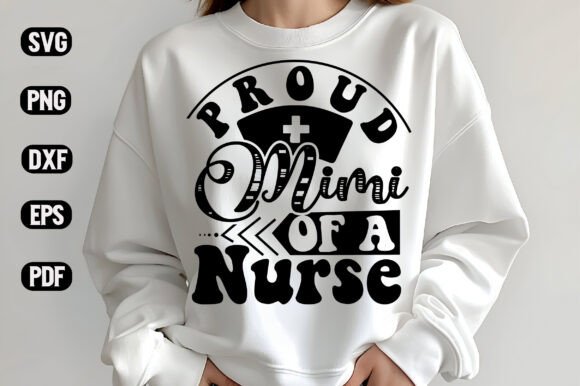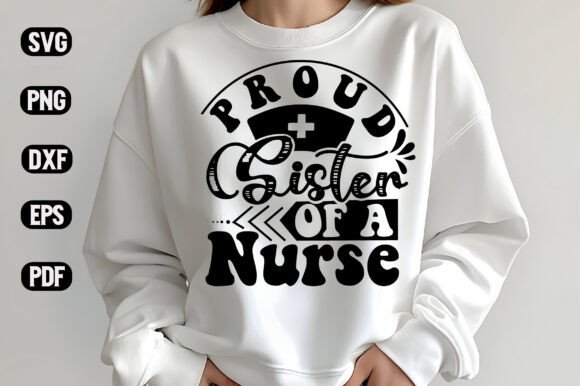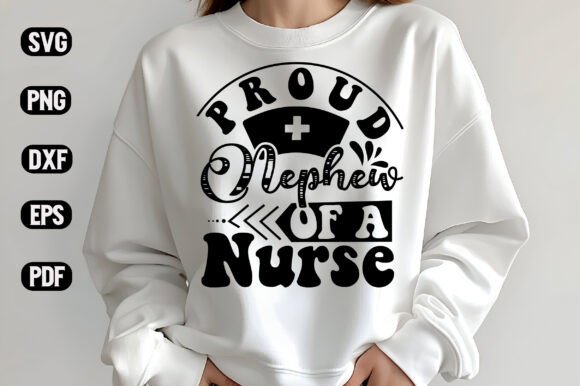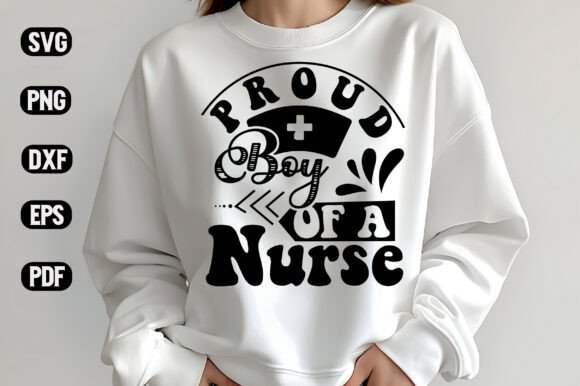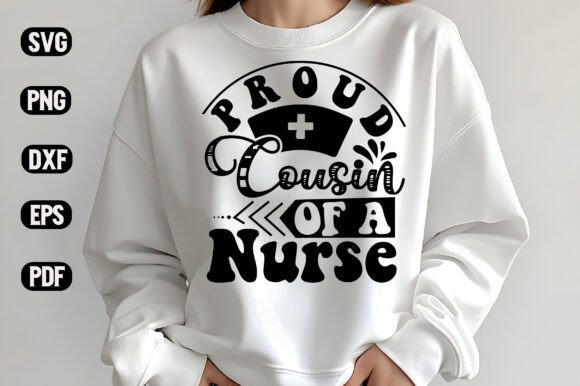
Proud Cousin of a Nurse SVG Design: A Design Review
Every time I open an SVG design file, I approach it as a designer who’s about to put thread to fabric. The question isn’t just if it looks nice on a screen, but how will it feel and look as a finished, stitched product? Today, I’m reviewing the Proud Cousin of a Nurse SVG design from that exact perspective.
First Impression: A Celebration of Quiet Bonds
The theme of this design is its immediate strength. The mood it creates is heartfelt, but with a playful and proud energy. This isn’t a generic medical symbol; it’s a personal declaration of family pride. The words “Proud Cousin” paired with “Nurse” suggests a specific, meaningful relationship. The visual personality feels celebratory and supportive. It’s a design that belongs on a gift, something made to honor someone’s chosen path.
The Shape of a Practical Embroidery Project
With its text-based, word-by-layer format, the layout is straightforward. This is a significant advantage for embroidery. It avoids overly dense, intricate pictorial elements that can become muddy when stitched. The design naturally lends itself to clean, bold lettering and simple, supportive graphic accents. My mind immediately goes to a custom embroidered sweatshirt, a tote bag for a nurse’s cousin to carry, or a cozy blanket as a graduation gift. It feels perfect for personalized products where the sentiment is the star.
Real-Life Embroidery Performance
Let’s walk through a scenario. Imagine you’re an Etsy seller or a crafter preparing a holiday gift for a family member. You want to embroider this onto a high-quality apron for a nurse who loves to cook, turning it into a boutique-worthy piece. How does this SVG design perform?
For custom apparel like sweatshirts and t-shirts, the text-centric nature means stitch clarity is paramount. The word-by-layer structure should allow for clean color separation, making it easier to manage thread changes and create crisp edges. On a tote bag, the design’s straightforward layout will stitch out reliably, enhancing the product’s value through clean execution. For baby clothes or nursery decor, scaled appropriately, it becomes a sweet, personal tribute.
It’s also a strong candidate for an embroidered patch. A patch can be applied to caps, jackets, or even a pillow cover, offering flexibility. For digital product sellers creating printable mockups or craft businesses offering finished tea towels or holiday gifts, this design adds a layer of personalization that buyers engage with. It tells a story, which builds customer trust and makes a handmade presentation feel more thoughtful.
Where Careful Application is Key
While the design feels robust, there are always considerations for embroidery success. Tiny lettering, if any element is very small, can be challenging on textured fabrics like some tote bag materials. On stretchy fabric, like a t-shirt, the entire design area needs proper stabilizer to prevent distortion. On dark fabric backgrounds, thread color contrast becomes critical; you might need to test a few color combinations on scrap first.
For curved surfaces like caps, the layout’s simplicity is a benefit, but you must confirm the design’s scale fits the curved hoop area. Detailed corners in any decorative accents need to be inspected in the embroidery file to ensure stitch paths are clean. Products that need frequent washing, like kitchen towels or baby items, require durable stitch choices. A dense fill stitch area in a large format might not hold up as well as a cleaner running stitch or satin stitch approach for lettering.
Affecting the Final Product’s Appeal
Using this machine embroidery design correctly directly impacts visual appeal and professionalism. Clean stitching from a well-prepared file makes the gift feel premium. It elevates a simple sweatshirt into a cherished keepsake, boosting its giftability and recognition. For a small shop product or craft fair item, this consistency in finish speaks to brand quality and engages buyers looking for something uniquely meaningful.
As an embroidery file intended for crafts and graphics, its success hinges on the embroiderer’s skill and preparation. The design provides the framework; your choice of thread colors, fabric texture, and hoop size brings it to life.
Practical Designer Notes Before You Stitch
Before you load this digital embroidery file into your machine for a client project or your own handmade product, here’s my realistic checklist.
- Always test the design on scrap fabric first. Use the same material you plan for the final project.
- Review stitch density in your software preview. Does it look appropriate for your chosen fabric weight?
- Check thread color contrast. Run a mental preview on both light and dark fabric backgrounds.
- Confirm your intended hoop size can accommodate the design comfortably, especially if you’re adapting it.
- Inspect small details in the file. Look for any potential stitching issues in tight corners.
- Use proper stabilizer for the project. A tote bag needs different support than a baby blanket.
- Consider creating black and white mockups to see the design’s form without color influence.
- Most importantly, confirm the licensing terms for this digital download. Before selling finished items or commercial embroidery projects, ensure you understand the usage rights. The product listing states it’s a digital download only, including one SVG file. Specific license details for commercial use may not be provided here, so checking that is a necessary step.
The Right Project for This Design
The Proud Cousin of a Nurse SVG design isn’t a universal graphic; it’s a specific sentiment. That specificity is its power. It fits best on projects where that relationship is the core message. A custom embroidered pillow cover for a nurse’s home, a cap for their proud cousin, or a framed patch as a wedding gift for a cousin entering the profession. It works for personal projects and, with verified licensing, for small business merchandise that caters to families celebrating medical professionals.
As a designer reviewing this for real use, my final judgment is positive. It’s a design with clear intent and a layout that should translate well to stitching. With proper embroidery technique and project selection, it can create a finished product full of genuine pride and connection—the best outcome for any craft.