From Nurse to Nostalgia: Reviewing Retired Nurse SVG for Embroidery
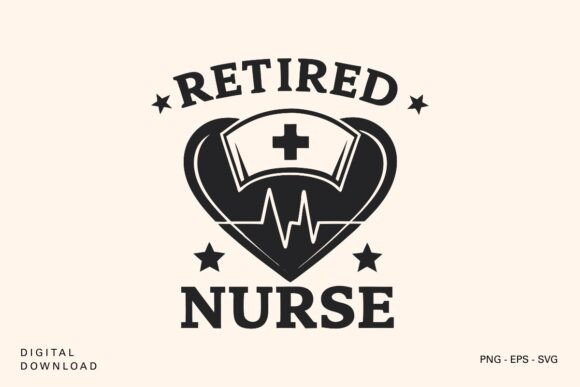
Let’s get straight to the point: the Retired Nurse SVG is a design I’d consider for a project when the person wearing or receiving it has a story. It’s not a generic graphic. When I look at it as an embroidery file, my first thought is about translating that sentiment into stitches. The theme is clear—it’s a celebration of a career, a nod to a lifetime of service, wrapped in a visual that feels both proud and warmly nostalgic. The layout and detail level suggest it belongs on something meant to be kept, admired, and perhaps even gifted with deep personal meaning.
The First Stitch: Where This Design Belongs
The visual personality is straightforward and declarative, which works beautifully for embroidery. It creates a mood of recognition and respect. In my mind, this isn’t a design for fast-fashion apparel. It naturally belongs on a commemorative item. Picture a custom embroidered sweatshirt for a retirement party, a thoughtfully personalized tote bag for a daily walk, or a crisp apron as a kitchen gift. For small business owners selling in the boutique or personalized gift niche, this design fills a specific, heartfelt slot. It speaks directly to a defined audience—retirees, their families, and communities wanting to honor them.
Embroidery in Practice: Real Project Scenarios
I’m imagining a real-life scenario: a client requests a gift for their mother, a retired nurse. They want it on a premium cotton tote bag. Using the Retired Nurse SVG as an embroidery design, the outcome hinges on execution. On a sturdy, neutral-colored bag, with careful thread color selection—perhaps classic whites, blues, or soft grays—the embroidered result would be clean and professional. The clarity of the theme would shine through, making the gift instantly understandable and emotionally resonant. For baby clothes? Probably not, unless it’s a grandparent’s keepsake blanket. For caps or hats? It could work on a flat panel, but the curvature needs consideration.
This design performs well in contexts where the product itself carries weight. Embroidered on a pillow cover for a home office, or on the corner of a tea towel in a healthcare professional’s kitchen, it becomes a subtle badge of identity. For Etsy sellers and craft fair vendors, a well-embroidered patch using this file could be a standalone product for customers to apply themselves, adding versatility to your small business merchandise lineup.
Navigating the Technical Thread: Where to Use Caution
Any experienced embroiderer knows a design’s appeal is only as good as its execution. With the Retired Nurse SVG, certain applications need careful planning. If the design incorporates small lettering or intricate details, these areas will require attention on the machine. Using it on very small hoop sizes might compress those details, losing clarity. Stitching on textured or stretchy fabrics, like certain knit sweatshirts, demands a robust stabilizer strategy to prevent distortion.
Dark fabric backgrounds are a classic challenge. The thread color contrast must be high—bright whites or light pastels—to ensure the design pops and maintains its visual appeal. Layered garments with seams or curved surfaces, like caps, can be tricky; the design’s layout needs to sit comfortably on a flat area. Products destined for frequent washing, like kitchen towels or everyday apparel, require a stitch density that can withstand wear without fraying. This isn’t a design to rush into; it’s one to plan for.
Impact on Product Value and Customer Trust
When you embroider this design well, it elevates the product. It moves from a simple craft to a meaningful handmade product. The customer trust factor here is high because the design aligns perfectly with a personal narrative. A buyer isn’t just purchasing a sweatshirt; they’re purchasing a tribute. This boosts giftability and recognition immensely. For creative entrepreneurs, using it consistently across a line—say, on tote bags, aprons, and pillow covers—can create a cohesive brand presentation around the niche of commemorative gifts. The professionalism comes from your embroidery technique, but the design provides the perfect, professional concept.
The Designer’s Workbench: Practical Notes Before You Hoop
Before committing this to a client project or your small shop product, here’s my checklist. First, always test the design on scrap fabric of the same type you’ll use. This reveals everything: how small details like potential serifs in the lettering stitch out, the actual required stitch density, and how the fill stitches or satin stitches behave. Check thread color contrast by mocking it up, both digitally and with a quick stitch sample on light and dark backgrounds.
Confirm the hoop size needed for clarity. Inspect the design file itself to understand its composition—are there elements that might translate better as an applique design, or is it purely stitch-based? Use proper stabilizer for the chosen fabric texture; a heavyweight design on a thin fabric will pucker without it. Crucially, check the licensing terms for this digital embroidery file before using it for commercial embroidery projects or selling finished products. The product description mentions suitability for handmade business product lines, but it’s your responsibility to confirm the specifics.
Finally, consider its use in printable mockups for your digital product store or Etsy listings. A clean, well-presented mockup of this design on a tote bag or sweatshirt can significantly drive buyer engagement, as it shows the final product potential clearly. The Retired Nurse SVG, as a graphics asset in the crafts category, holds value when paired with practical embroidery skill. It’s a design that asks you to think about the story behind the stitch, and that’s where its real power lies for makers and decorators.