Evaluating an Oncology Nurse Design for Real-World Embroidery
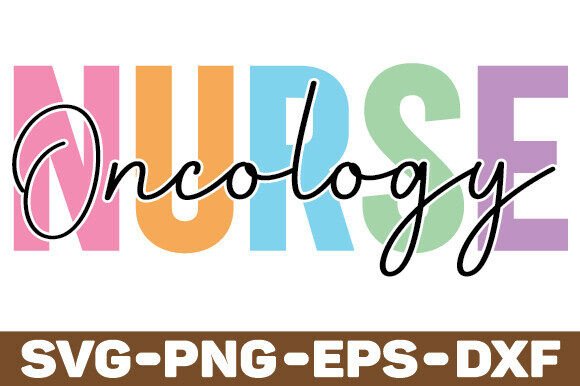
When you download a new embroidery file, especially one with a deeply personal and professional theme like this Oncology Nurse SVG, the first thing you do is visualize it stitched out. You're not just looking at a graphic; you're judging a potential finished product. This design immediately presents itself as a sincere tribute. The theme carries weight, and that influences every decision from fabric choice to thread color.
The Immediate Mood and Where It Belongs
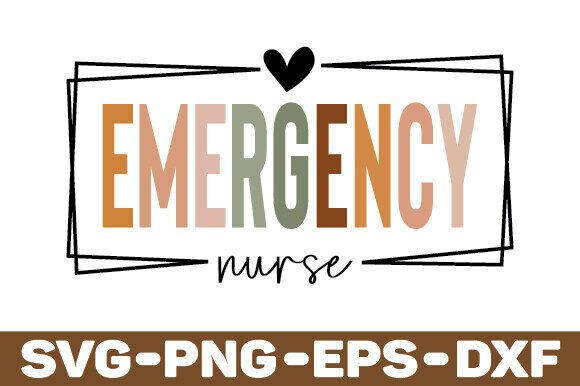
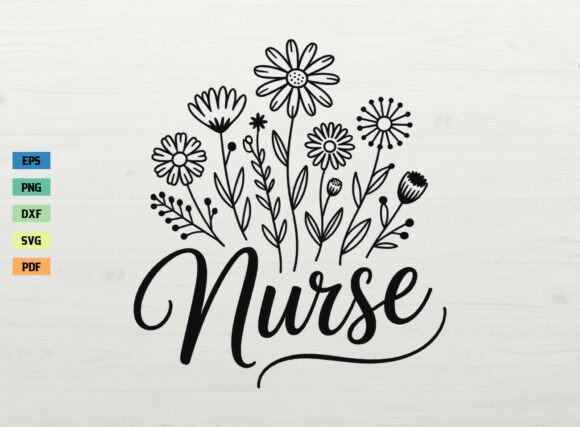
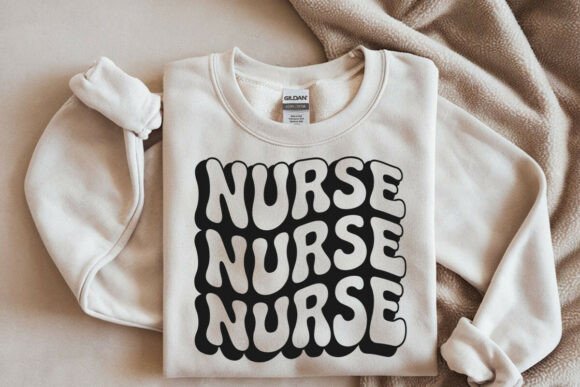
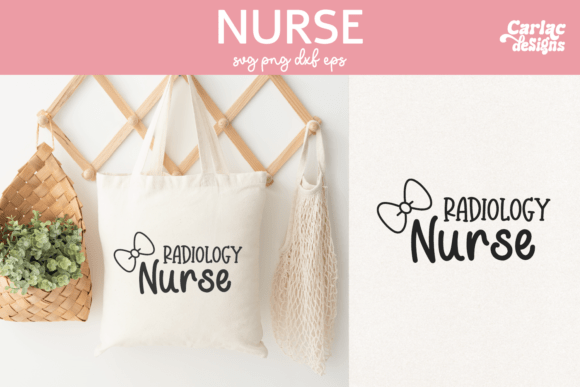
The visual personality here is clear, respectful, and focused. It feels designed for recognition and appreciation. This isn't a whimsical pattern; it's a statement piece. Because of that, it naturally belongs on items meant for gifting, for personalization, or for wear in a professional or supportive context. My mind goes straight to custom apparel for a nurse themselves, like a well-made sweatshirt or a sturdy tote bag for work. It also fits beautifully on thoughtful gifts: a cozy blanket, a personalized pillow cover for someone's office, or an apron for a caregiver.
For craft businesses and Etsy sellers, this design taps into a specific and heartfelt niche. Products made with it won't be generic; they'll carry an emotional resonance that can enhance their value. Imagine a boutique offering a curated "Medical Professional Appreciation" collection—this file would be a core design asset.
Performance on Actual Projects and Products
Let's walk through a real scenario. Say a client requests a custom embroidered tote bag for an oncology nurse retiring after thirty years. You've chosen a durable canvas fabric. How will this design perform? The SVG format suggests clean vector lines, which is excellent for scaling. You can adjust it for a large, central motif on the bag without losing definition.
On sweatshirts or t-shirts, the design's clarity will be key. You'll want to ensure the potential lettering, if included, is sized appropriately for stitching clarity. On baby clothes or delicate items, the theme might be more suited as a smaller, simpler patch—perhaps focusing on a central emblem rather than full text details. For caps or curved surfaces, consider simplifying any overly dense areas to maintain comfort and visual integrity.
In commercial embroidery projects, like a series of patches for a hospital volunteer group, the design's recognizability becomes a branding tool. It should stitch out consistently across multiple items, building a sense of unity and professionalism.
Where to Exercise Some Design Caution
Any design with meaningful detail requires careful application. On very small hoop sizes, or on textured fabrics like certain fleeces, fine details might get lost or look muddy. On thin or stretchy fabrics, a high stitch density could cause puckering, so adjusting the fill stitch areas might be necessary. Always test on a similar scrap first.
Dark fabric backgrounds require thoughtful thread color planning to maintain contrast and impact. For a design celebrating care, visibility is paramount. Similarly, on products destined for frequent washing, like kitchen towels or everyday apparel, you'll want to ensure the stitch structure is robust and the stabilizer choice is correct for longevity.
Impact on Your Work and Your Customer's Experience
Using a design like this affects more than just the stitch count. It influences the perceived value of your handmade product. A clean, well-executed embroidery of this theme conveys respect and care in the craftsmanship itself, aligning perfectly with the subject matter. This builds customer trust and enhances the giftability of the item.
For the maker, it offers a chance to work on projects with clear purpose. The buyer engagement with a finished product bearing this design is likely to be deeper and more personal than with a generic motif. It supports brand consistency for sellers focusing on appreciation, medical, or gift-oriented niches.
Practical Notes Before You Hoop the Fabric
As a standard practice, run this Oncology Nurse SVG through your software and examine the layers. Check for any tiny lettering or intricate corners that might need slight adjustment for your specific machine embroidery design. Always test it on a scrap of your intended fabric—don't skip this step.
Review the implied stitch density in the file's visual areas. Plan your thread colors, not just for accuracy, but for contrast against both light and dark backgrounds. It's wise to create simple black and white mockups to see how the composition holds up as a silhouette.
Since this is a digital embroidery file, confirm the licensing terms provided with the ZIP folder before embarking on commercial projects or selling finished products. This protects your craft business and respects the designer.
Finally, consider the product category. As a graphic intended for crafts, its ultimate strength is in transformation. Your skill as an embroidery designer turns this digital product into a tangible item of appreciation. That's where the real project value lies.