Evaluating a Pediatric Nurse Embroidery Design for Real Projects
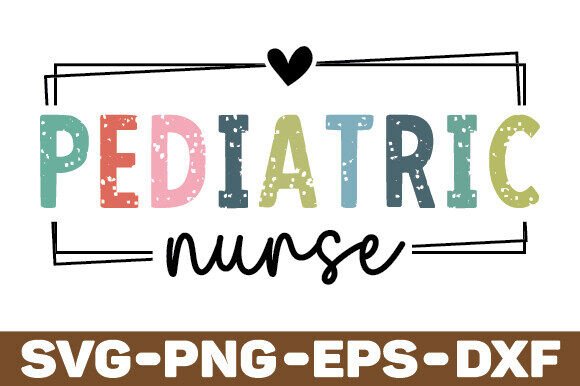
When a new digital embroidery file arrives in my inbox, my first question is always the same: How will this translate from screen to stitches? Today, I’m looking at a specific design titled Pediatric Nurse Svg, Peds Nurse Png Picu. As a designer who regularly works with clients in the medical field and creates gifts for healthcare workers, this theme immediately pings my professional interest. Let’s walk through what this design offers from a practical, hands-on embroidery perspective.
The Immediate Impression: Heartfelt & Professional
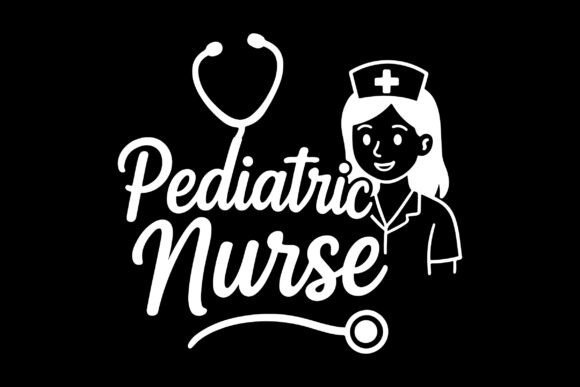
Opening this embroidery file, the first thing I note is the clear thematic focus. A design celebrating pediatric nurses, and specifically PICU (Pediatric Intensive Care Unit) staff, carries an inherent emotional weight. The visual personality needs to balance professionalism with warmth. This isn’t a generic medical logo; it’s a tribute. The layout and details, from the description, suggest a design meant for recognition and appreciation. For crafters and small business owners, this is a craft business opportunity tapping into a very specific, deeply grateful audience.
Where This Design Naturally Belongs
Imagine you’re preparing a custom gift for a nurse who just finished a challenging rotation in the PICU. You want something they can wear or use that feels personal and proud. This Pediatric Nurse Svg design isn’t for mass-produced hospital uniforms. It’s for the heartfelt, handmade product. Think embroidered tote bags for carrying their personal items to work, cozy sweatshirts for their off-hours, or crisp aprons for a team appreciation day. Baby clothes or nursery decor might be less intuitive here, unless for the nurse’s own child. The strongest fit is for personalized gifts, custom apparel, and embroidered patches that can be attached to bags or jackets.
For your small shop merchandise or Etsy listings, this design fills a niche. It’s not a everyday whimsical motif; it’s a design for a specific moment of gratitude. That can be powerful. A customer searching for a “PICU nurse gift” will find exactly what they need. In my experience, such targeted designs often convert better than broad ones because they solve a precise emotional need.
Thinking Through a Real Project: The Appreciation Tote
Let’s say I’m using this file to create an embroidered tote bag as a holiday gift from a family to their child’s nurse. My process starts with the digital file. Since it’s provided as an SVG, I’ll need to convert it for my machine embroidery design software, paying close attention to how the software interprets the paths and layers. The key question: How will the details, likely including text like “Peds Nurse” or “PICU,” translate into stitches? Small lettering can be tricky. Satin stitches for text need clean edges, and on a textured fabric like canvas for a tote, the stitch density must be sufficient to prevent the fabric background from peeking through and blurring the message.
Performance in Actual Embroidery Situations
On standard projects like sweatshirt embroidery or t-shirts, a design with this theme should perform well if the details aren’t excessively fine. A bold, clear design will stitch out cleanly. For caps or curved surfaces, the design’s complexity matters. Does it have large, solid areas that could pucker on curved seams? Are there tiny decorative accents that might get lost? I always advise testing on scrap fabric of the same type first. For a dark fabric background, thread color contrast is paramount. Imagine this design in white or bright blue thread on a navy sweatshirt—it should pop and remain legible.
For commercial embroidery projects, like a hospital ordering batches of appreciation patches, consistency is key. The design must stitch out reliably every time. High stitch density in fill areas can lead to longer machine times and more thread usage, which impacts cost. A clean, efficient stitch path is ideal. Since the product description only confirms SVG format, the specifics of stitch count and hoop size aren’t provided. Before any commercial run, I’d need to process the file, analyze the stitch information, and confirm the smallest viable hoop to use, perhaps a 4x4 or 5x7 for a patch.
Where Caution is Needed: Detail & Fabric Choice
This design category should be used carefully on thin or stretchy fabrics without proper stabilizer. The emotional value of the gift is high, so a puckered or distorted embroidery on a delicate tee would disappoint. Also, if the design incorporates very fine lines or intricate corners, these might not survive well on fabrics with a lot of texture, like some blankets or certain apron materials. For products that need frequent washing—like kitchen towels or wearable apparel—a robust stitch construction is important. I’d recommend using a design like this on stable, medium-weight fabrics for the best and most durable results.
Impact on Visual Appeal & Customer Perception
From a business standpoint, a well-executed embroidery of this design adds significant product value. It shows care and specificity. For a craft business owner, offering a finished embroidered patch or tote with this motif builds customer trust. You’re not selling a generic product; you’re providing a meaningful solution. The handmade presentation becomes more professional and intentional. For digital product sellers, this SVG file is a design asset that other makers can use to create those meaningful gifts. Its value lies in its clear, targeted application.
The giftability and recognition factor are huge. A nurse receiving a item with this design knows immediately it’s for them. That instant connection enhances the perceived thoughtfulness of the gift. In your Etsy seller portfolio or at a craft fair, such specialized designs can attract buyers who are shopping with a very specific person in mind, often leading to higher engagement and fewer questions.
Practical Designer Notes Before You Stitch
Before loading this Pediatric Nurse Svg into your machine, here are my grounded recommendations. First, always test the design on scrap fabric first. Use the same material and stabilizer you plan for the final project. Second, check thread color contrast. Run a test in both light and dark fabric backgrounds if you plan to offer the product on various colors. Third, review stitch density after conversion. Look for areas that might be too dense, which could stiffen the fabric, or too sparse, which might look unfinished. Fourth, inspect small details like any lettering or symbols. Ensure they are clear and not too tiny to stitch cleanly on your chosen hoop size.
Finally, and crucially for commercial use, confirm licensing before selling finished items or digital products. The product description states it’s a digital product for download, but the terms for using the design in commercial embroidery or reselling items made from it are not specified here. It is your responsibility to verify those rights. This is a standard, essential step for any embroidery project intended for your business.
In summary, the Pediatric Nurse Svg, Peds Nurse Png Picu design presents a strong, niche opportunity for makers targeting the healthcare appreciation market. Its practical success hinges on mindful file conversion, appropriate fabric and project selection, and thorough testing. When stitched well on a suitable product, it becomes more than just decoration; it’s a badge of honor and a token of thanks, which is exactly what a powerful embroidery design should achieve.