Beyond the Design: A Practical Look at the Military Nurse SVG
As someone who stitches for clients, sells finished goods in my small shop, and regularly evaluates digital files for their real-world potential, I approach every new design with a critical eye. The excitement of a digital download fades quickly if the file doesn’t translate beautifully onto fabric. So when considering the Military Nurse SVG for use in embroidery projects, my primary question isn't just about its appearance on screen, but about its performance in the hoop.
The First Impression and Emotional Pull
This design carries a distinct, respectful mood. It’s not a casual, whimsical graphic; it speaks to duty, care, and pride. The theme naturally merges service with compassion, creating a visual personality that is both strong and tender. The layout and detail level suggest a design meant for clear recognition, not subtle background decoration. My immediate thought is that this design belongs on items meant as meaningful gifts, commemorative keepsakes, or apparel for proud professionals and their families. It wouldn’t feel right on a frivolous item; it demands a project with purpose.
Where This Design Finds Its Home in Real Projects
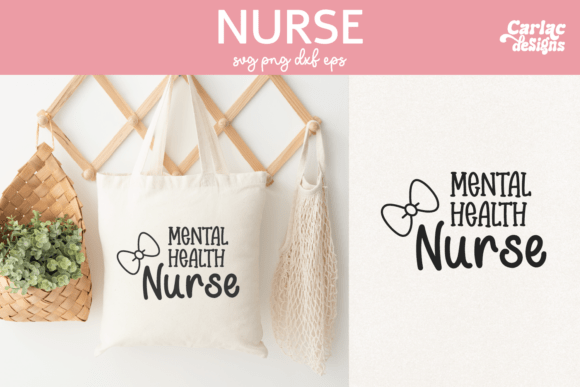
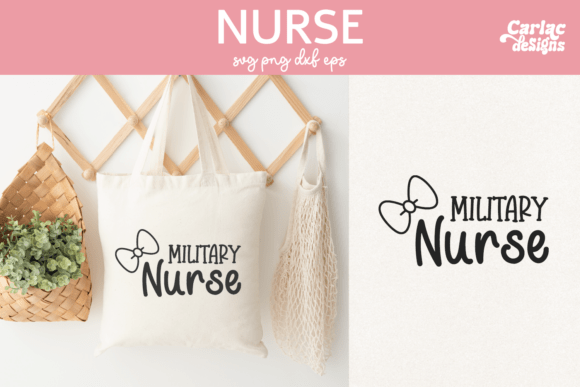
Let’s imagine a real scenario: a client requests a custom embroidered tote bag as a gift for a nurse retiring from military service. This is exactly where the Military Nurse SVG shines. The clean, recognizable imagery would stitch out with authority on a sturdy canvas tote, becoming a durable, everyday tribute. Similarly, it would be perfectly suited for a high-quality sweatshirt, a framed patch, or a crisp apron for a home cook who served.
For crafters and small business owners, this design opens doors to specific product lines. It’s ideal for personalized gifts like pillow covers or tea towels for a military nurse’s home. It could anchor a line of boutique merchandise for medical or military appreciation events. In your Etsy listings or craft fair displays, a well-embroidered baby blanket with this design (using soft, appropriate fabrics) tells a powerful family story, instantly elevating the perceived value and emotional engagement of your handmade product.
Visual Appeal and Professional Execution
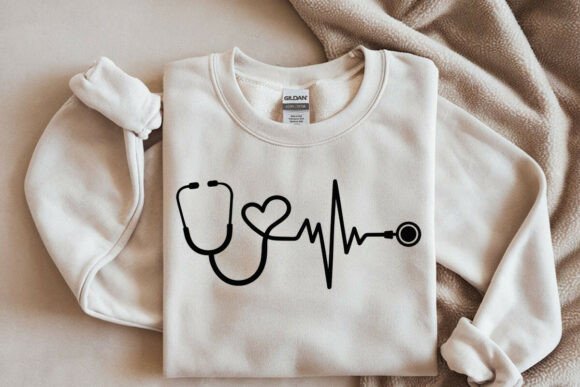
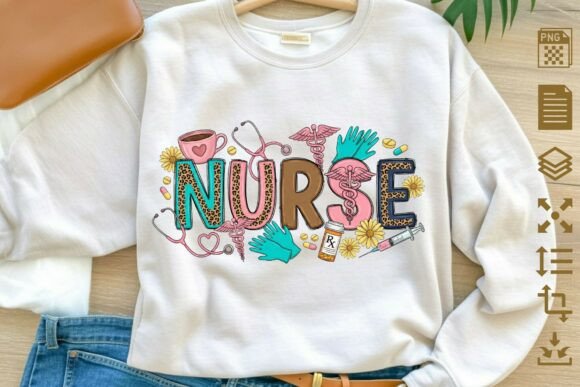
In embroidery, clarity is currency. A design with too many tiny, intricate details can become a muddy mess of stitches. From a practical standpoint, the Nurse SVG appears to have shapes and lines that should translate into clean satin stitch borders or defined fill stitch areas, assuming the digitizing is well-executed. This clarity directly impacts customer trust—a crisp, professional embroidered finish looks intentional and skilled, reinforcing your brand’s quality. For a client receiving a custom apparel item, or a buyer from your shop, that polished result is what turns a simple graphic into a cherished, high-value item.
Careful Considerations: Where to Hesitate
Not every project is a perfect fit. The nature of this design means certain applications require forethought. On very small hoop sizes, some elements might lose definition if the design isn’t optimized for scaling. Embroidering on highly textured or stretchy fabrics, like some sweatshirt materials, would demand careful stabilizer choice to maintain shape integrity. Dark fabric backgrounds require a thorough review of thread color contrast during your test phase—you might need to adjust colors to ensure the design pops without needing an excessive number of thread changes.
I’d also be cautious about placing it on curved surfaces like caps without testing; larger, central elements might distort. The potential for dense stitch areas, depending on the file’s construction, could be challenging on thin fabrics. And for products destined for frequent washing, like kitchen towels or baby clothes, you’d want to ensure the stitch density and thread type will hold up, preserving that handmade presentation over time.
A Designer’s Practical Checklist Before Hooping
Before I’d run this embroidery file for any real client work or shop product, here’s my mental walkthrough:
- Test on scrap fabric first. Always. Use both a light and dark scrap to judge contrast and see how the details emerge.
- Check the actual stitch density in your software preview. Look for any overly dense sections that might pucker your final fabric.
- Confirm the effective hoop size for the project you intend. Does it fit comfortably on your target item?
- Inspect small details and lettering (if present) in the file preview. Are they clear and distinct, or might they blur into a fill?
- Use proper stabilizer. Match it to your fabric choice—this is non-negotiable for professional results.
- Review licensing. The product info notes it’s a graphics file for crafts. Before selling any finished items or using it in commercial embroidery projects, verify the specific license terms to ensure compliance.
The Final Stitch: A Design with Purpose
The Military Nurse SVG isn’t a generic graphic. It’s a design asset with a built-in story. In the hands of a thoughtful embroidery designer or creative entrepreneur, it becomes more than stitches; it becomes a recognition of service, a personalized gift of deep meaning, or a cohesive product for a niche shop. Its value lies in that specific emotional connection, which, when paired with technically sound embroidery execution, creates finished products that resonate powerfully. It reminds us that the best embroidery projects often start with a design that already knows where it belongs.