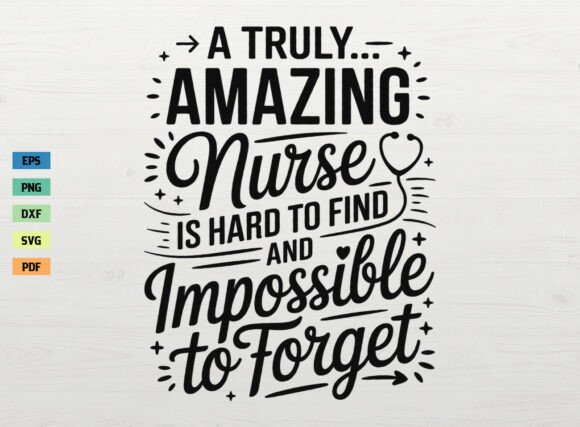
An Embroidered Nurse Design That Delivers
When a new design file lands on my desktop, my first thought is always practical: Where will this live? Not as a digital preview, but as a stitch on fabric. My job is to judge how a graphic, like A Truly Amazing Nurse SVG Cutting File, translates into a real, touchable product. Today, let’s walk through that evaluation.
The Immediate Mood and Where It Naturally Belongs
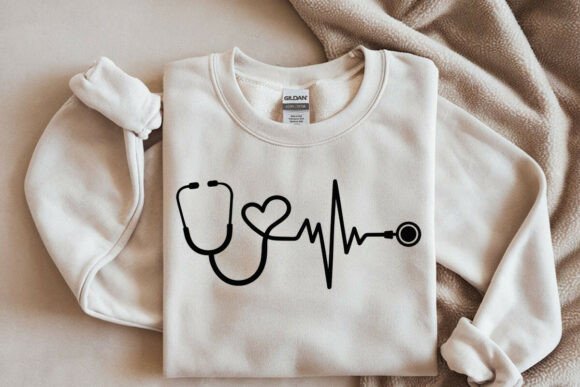
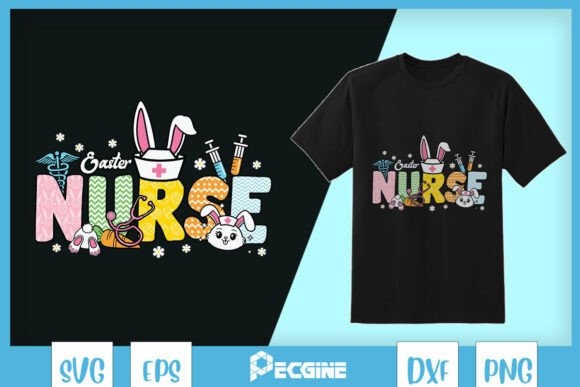
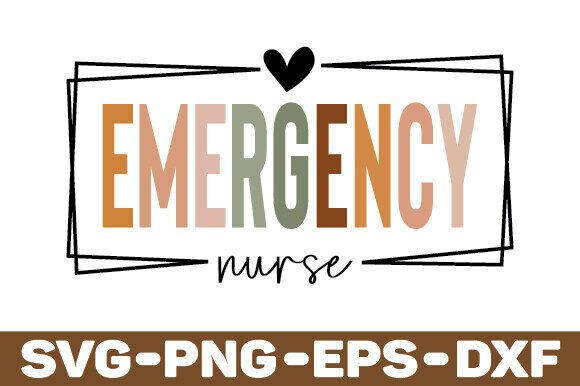
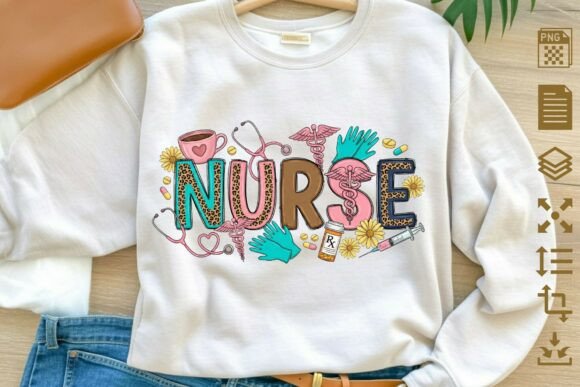
The first thing I notice is the core message. This design isn't subtle; it’s a clear, celebratory statement. The nurse theme immediately suggests appreciation, recognition, and care. This isn't just a graphic; it’s an emotional shorthand. The visual personality feels warm and professional, perfect for a gift or a uniform-complementing accessory. In my mind, I’m already picturing it stitched onto a soft, high-quality sweatshirt—something a nurse would actually want to wear after a long shift, or a gift from a grateful patient’s family. It naturally belongs on items meant for personal use or heartfelt giving: tote bags for work, pillow covers for a home office, or a beautifully embroidered apron.
Real-Life Embroidery Scenarios: From Tote Bags to Boutique Merchandise
Let’s get specific. I’m imagining a client request for a custom embroidered tote bag for a retiring nurse. This design would be a fantastic centerpiece. The file bundle, with its SVG and PNG formats, gives me flexibility. I can easily scale it for the bag’s large panel without losing clarity. For a small business owner creating merchandise for a hospital gift shop, this design could be the star on simple tea towels or cozy blankets. As an Etsy seller, I’d consider offering it as a premium option on baby clothes for nurse parents—think a tiny, sweet version on a bib.
The true test for any embroidery file is how it performs across different products. On a cap, the curved surface demands a design with good structural lines that won’t distort. For a decorative patch, the detail level needs to be crisp enough to stand alone. This nurse design, with its likely clear typography and central motif, seems versatile. It would work well for custom apparel, from t-shirts to hoodies, and translate beautifully into embroidered patches for jackets or bags. For a craft business, it’s a reliable asset for holiday gifts like personalized pillow covers or kitchen towel sets.
Where This Design Requires a Careful Hoop and Thread
No design is universally perfect, and a professional reviewer must note the considerations. With a theme like this, there’s often lettering or symbolic details. If the design has small lettering, I’d be cautious on very textured fabrics like some fleeces or on thin, stretchy fabrics without the right stabilizer. The stitch density for any filled areas needs to be balanced; too dense on a lightweight t-shirt can cause puckering.
Dark fabric is another consideration. If the design uses fine lines, you need excellent thread color contrast—a bright, clean white or a vibrant color—and possibly a different stabilizer approach. Embroidering on curved surfaces like caps always requires extra testing. And for products destined for frequent washing, like aprons or everyday sweatshirts, the stitch integrity and thread quality become paramount. You want this finished product to last.
How This Embroidery File Elevates the Finished Product
From a commercial and aesthetic standpoint, a well-executed embroidery of this design boosts perceived value. On a handmade product, it signals care and skill. For a small shop product, it creates brand consistency if you’re specializing in appreciation-themed items. The giftability is high—it’s instantly recognizable and meaningful. For customer engagement, an embroidered item feels more premium than a simple print, fostering trust. In a boutique setting, it adds a layer of professionalism to the merchandise.
A Designer’s Practical Notes Before You Stitch
Before I ever load a file like A Truly Amazing Nurse SVG Cutting File for a real project, I follow a personal checklist. I always test on scrap fabric first, ideally a similar weight and texture to my final product. I check thread color contrast against both light and dark backgrounds—sometimes a design looks great in a white printable mockup but needs adjustment for black fabric. I review the design’s small details in my software, zooming in to see if any corners or connections are too tight for clean stitching.
Confirming the physical hoop size needed is essential. I also run a quick mental check: does this design work for both personal and commercial projects I have in mind? Crucially, I always confirm the licensing terms provided by the designer before selling any finished items. The product description notes this is a bundle of graphics files perfect for shirt printing, which is great, but for embroidery, I need to ensure my machine software can import the provided formats (like SVG or PDF) cleanly or if I need to do a minor conversion. The provided formats are a strong start for any digital embroidery file workflow.
Using proper stabilizer is non-negotiable, especially for items like tote bags or sweatshirts where the fabric might move. And finally, I think about the end-user. Would a nurse feel proud wearing this? Would a gift recipient be touched? That’s the ultimate test for a design like this. When the stitching is clear, the fabric choice is thoughtful, and the execution is clean, this file has the potential to become a truly amazing finished product—not just a digital asset.
In the world of Crafts and machine embroidery design, our job is to bridge the digital and the tangible. Files like this are the blueprint. Your skill and practical choices—the fabric, the thread, the stabilizer, the hoop—bring it to life. Approach it with that designer’s eye, and you’ll create something that’s not only amazing on screen, but truly amazing in hand.