A Vintage Nurse Design's Charm and Practicality
When I download an embroidery file for a client project or my own shop, my first thought isn't about the file formats—it’s about the final stitch. I picture the design on fabric, worn by a person, or hanging in a home. That's the lens I’m using for the Vintage Nurse SVG PNG File. This isn't a generic review; it’s a practical judgment from someone who has to make this design work on real products.
The Immediate Mood and Where It Belongs
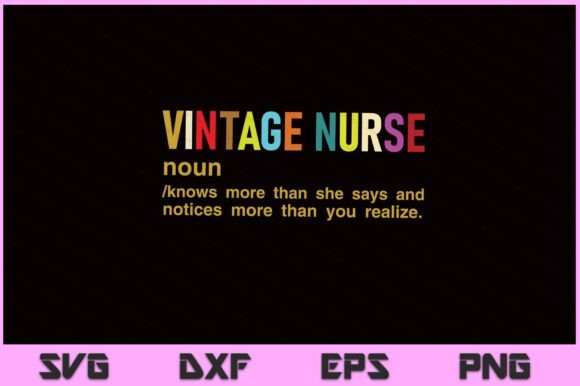
Opening this file, the vintage aesthetic hits you right away. It’s not just old-fashioned; it feels warm, respectful, and quietly devoted. The "All I need is a cup of coffee and a heart full of Jesus" sentiment creates a specific, heartfelt mood. This isn't a flashy, trendy graphic. It's a design with personality, perfect for a custom gift or a product line that speaks to comfort, care, and faith. For embroidery, this means it naturally belongs on items meant to convey personal connection: a custom embroidered tote bag for a nursing student, a pillow cover in a cozy home, or a tea towel in a kitchen that feels like a sanctuary.
Visual Personality Translated to Stitch
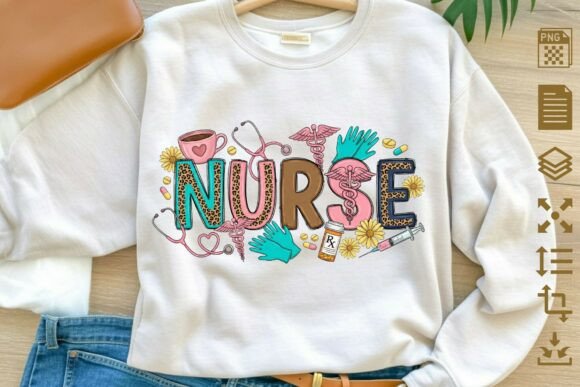
The layout is typically clean, with the text integrated. This is crucial for embroidery. A design with too many tiny, separated elements can become a stitching nightmare. The vintage style suggests simpler lines, which is a gift for an embroidery project. On a mid-weight cotton like a sweatshirt or apron, the fill stitches for the main shapes will look solid and professional. The lettering, however, is the part to study carefully before hooping anything. On-screen, text can look fine, but stitched out, small serifs or tight curves can become blurred if the stitch density is too high or the hoop size is too small for the chosen fabric.
A Real-Life Scenario: The Boutique Apron
Let’s say a customer requests this design on a chef's apron for a nurse who loves to bake. I’m thinking about fabric texture—a sturdy, slightly textured canvas. The vintage design will pop, but I’d test the file on a scrap first to see how the details, especially the heart and cup elements, handle the fabric's weave. A good stabilizer is non-negotiable here to keep those satin stitch borders crisp. The finished apron wouldn't just be cute; it would feel like a meaningful, personalized gift with a handmade presentation that builds customer trust. This is the kind of project that elevates a simple graphic into a valued product.
Performance Across Different Embroidery Situations
For small business merchandise like caps or baby clothes, the design's charm is a selling point. On a baby blanket, scaled appropriately, it becomes sweet nursery decor. For craft fair products, like an embroidered patch, it has instant recognition and giftability. However, its performance varies. On a stretchy fabric like a t-shirt, the larger fill areas might need a lighter stitch setting to prevent stiffness. On a dark fabric, the thread color contrast becomes paramount; you’d likely choose bright whites and soft pastels to maintain that vintage lightness.
Commercial embroidery projects, like a batch of tote bags for a small shop, would benefit from the included file formats. The SVG and EPS files allow for easy scaling and integration into other digital product previews or printable mockups for an Etsy listing. This adaptability is a practical bonus for digital product sellers.
Where Caution is Needed: The Designer's Notes
Every designer has a list of checks before the needle hits the fabric. For this Vintage Nurse embroidery file, my notes would focus on the details.
- Test on Scrap: Always stitch a sample on a scrap of your target fabric. This reveals how the small text and detailed corners actually sew out.
- Check Color Contrast: Run the design in your software on both light and dark backgrounds. Plan your thread colors to ensure the vintage feel translates on all materials.
- Inspect for Density: Look at the design in your machine software. Are any areas, like a filled heart or cup, overly dense for your chosen fabric? Adjust if needed.
- Confirm Hoop Size: The design needs a hoop size that allows the details to stitch clearly without distortion, especially on curved surfaces like caps.
- Background Check: Before selling finished items, always confirm the licensing terms provided with the file for personal and commercial projects. This protects your craft business.
The Pitfalls to Avoid
I would be careful using this on items needing frequent, harsh washing, like kitchen towels, unless the stitch structure is robust. Also, avoid very thin fabrics where dense areas might pucker. The design's visual appeal depends on stitching clarity; losing that on an unsuitable product hurts product value and professionalism.
The Final Stitch: Value Beyond the Digital File
In the end, an embroidery file is just a set of instructions. The Vintage Nurse SVG PNG File provides a strong, emotionally resonant starting point. When stitched well on the right product—a heartfelt gift, a boutique apron, a comfortable sweatshirt—it creates more than decoration. It creates connection. That’s what turns a digital asset into a beloved finished product. For makers and sellers, that’s the real measure of a design’s worth: not just how it looks on screen, but how it feels in hand, and how it resonates with the person who receives it.