A Nurse Design's Journey from SVG to Stitched Fabric
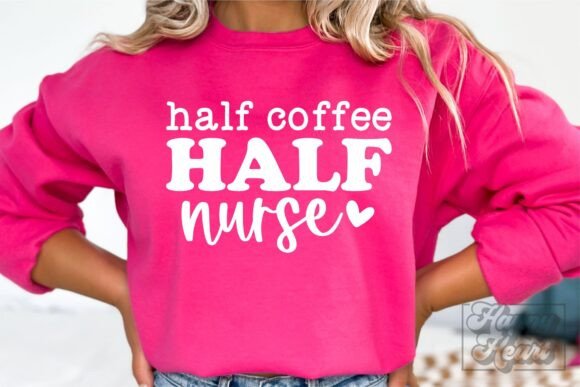
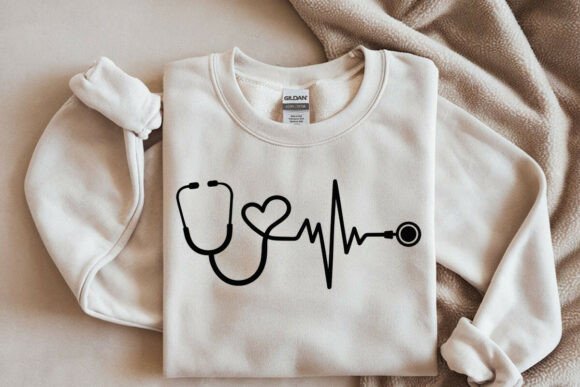
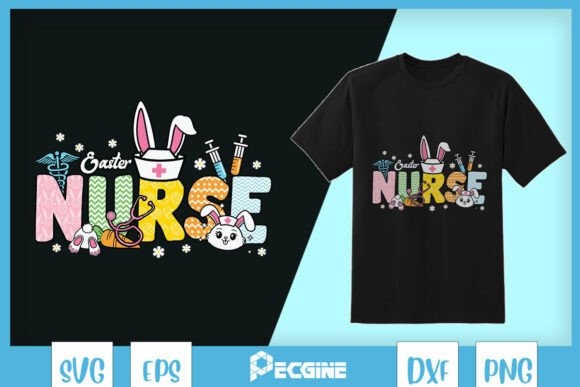
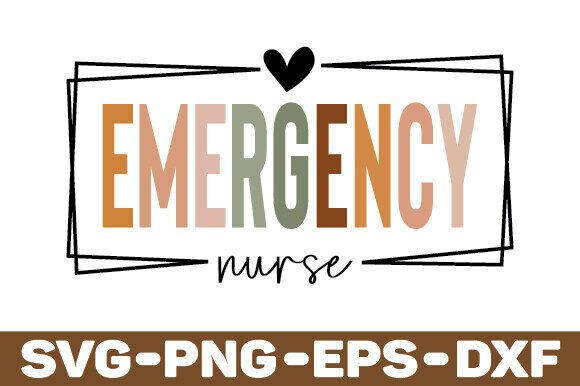
When I open a new embroidery file, my first thought isn’t about the download speed or the number of formats. It’s about the journey it will take from a digital preview to a physical, stitched product. That’s the lens I’m using to evaluate the Nurse SVG PNG, Nurse Mode Svg. This isn't a generic review; it's a practical look at how this design performs when it’s tasked with becoming part of a real, handmade item.
First Impression: Clean Lines and Quiet Confidence
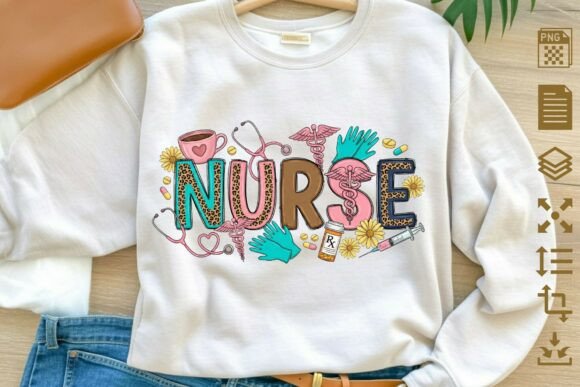
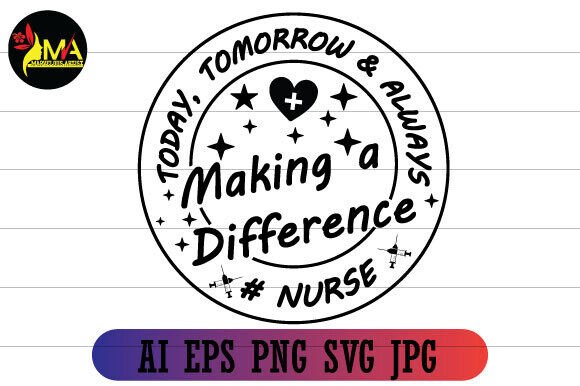
The immediate feeling this nurse design gives me is one of quiet confidence. The layout is straightforward, prioritizing clarity over ornate decoration. For an embroidery designer, that’s a promising start. Shapes that are too intricate can become muddled in thread, while clean lines usually translate well into satin stitches and fills. The thematic focus is unmistakable, creating a mood of care and professionalism. This visual personality doesn’t shout; it speaks with a steady, reliable tone. I instinctively picture it on items meant for someone who embodies that spirit—a custom tote bag for a nursing student, a heartfelt pillow cover for a retiring nurse, or a subtle cap for a healthcare worker.
Where This Design Finds Its Natural Home
In practical terms, the Nurse SVG PNG, Nurse Mode Svg feels destined for projects where recognition and respect are the core message. Let’s walk through a real scenario. Imagine you’re preparing a custom embroidered sweatshirt as a gift for a nurse friend. You want it to feel special, not kitschy. This design, with its clear thematic focus, would sit beautifully on a left chest or sleeve. On a tote bag used for carrying books or work essentials, it would become a personal statement. For a small business owner crafting boutique baby items, like a blanket for a newborn in a family of healthcare workers, it offers a way to personalize with meaning. As an apparel decorator, you could see it working well on dark fabric for a uniform-style apron, or on light fabric for a kitchen towel in a nurse’s home.
Its utility extends to the digital realm for sellers, too. The included formats, like the PNG in white, are practical assets for creating clean printable mockups in your Etsy listings or digital product previews, helping potential buyers visualize the finished embroidery on different backgrounds.
Performance Across Real Embroidery Situations
So, how does it translate from screen to stitch? For most custom apparel like t-shirts and sweatshirts, the design’s likely simplicity should mean manageable stitch density, which is good for comfort and fabric integrity. On tote bags and aprons, typically sturdier fabrics, it should hold its detail well. For a heartfelt embroidered patch, it could be stitched separately and applied, offering versatility. In holiday gifts or personalized products like pillow covers, it becomes a keepsake. The key to its performance in all these cases will be the fundamental embroidery principles you apply: proper stabilizer for the fabric, thoughtful thread color contrast, and appropriate hoop size.
Caution Zones: Where to Tread Carefully
Every design has its careful-use zones. With this nurse design, my primary concerns would revolve around scale and fabric choice. If the lettering or any internal details are particularly fine, stitching it on small hoop sizes might risk clarity. I’d be cautious on highly textured or stretchy fabrics, where fine details can get lost. Embroidering on dark fabric requires a good, dense underlay or thoughtful color choices to ensure the design pops, especially if utilizing the white PNG as a guide. Curved surfaces like caps can distort layouts, so a test run is wise. And for any product destined for frequent washing, like baby clothes or kitchen towels, ensuring the stitch structure is secure and thread colors are stable is paramount.
How This Design Elevates the Finished Product
The ultimate test is the finished product’s impact. A well-executed embroidery of this design can significantly boost visual appeal and stitching clarity on the item. For a small shop product, it adds a layer of thoughtful handmade presentation that customers value. It builds customer trust by showing you understand meaningful personalization. For a gift, its recognizability and professional mood increase its giftability. In a craft business line, it can contribute to brand consistency if you cater to a clientele who appreciates service-themed designs. It engages buyers by telling a story—the story of the person who will wear or use it.
Practical Notes from the Embroidery Desk
Before I’d commit this to a client project or my own merchandise, my workflow would include a few crucial steps. First, always test the design on scrap fabric that matches your final project fabric. This reveals everything: how small details like corners behave, whether stitch density feels right, and how thread colors interact with the background. Check it in both light and dark fabric mockups. Second, explicitly confirm the licensing terms provided with this instant download. Knowing whether it’s cleared for personal and commercial projects is essential before selling finished items or using it in commercial embroidery. The product description notes SVGs are great for Cricut, which hints at cutting applications, but for embroidery, your machine software compatibility is your check. Details like exact stitch count or recommended hoop size aren’t provided here, so you’d need to determine those through your own software analysis and testing.
This approach—testing, confirming, and adapting—is what turns a digital graphics file into a successful, real-world embroidery project. The Nurse SVG PNG, Nurse Mode Svg, with its clean thematic focus, has the foundational qualities to be that successful project. It asks the maker to provide the craftsmanship, and in return, it offers a design whose mood can stitch a story of appreciation onto fabric.