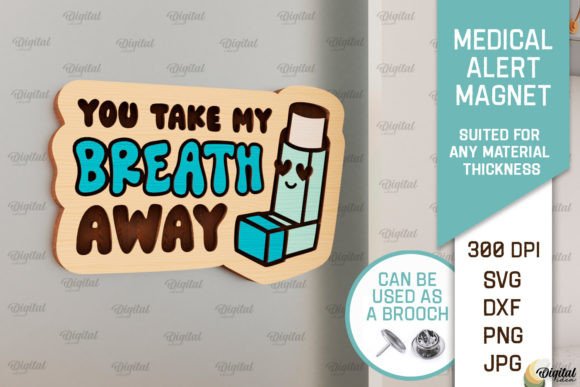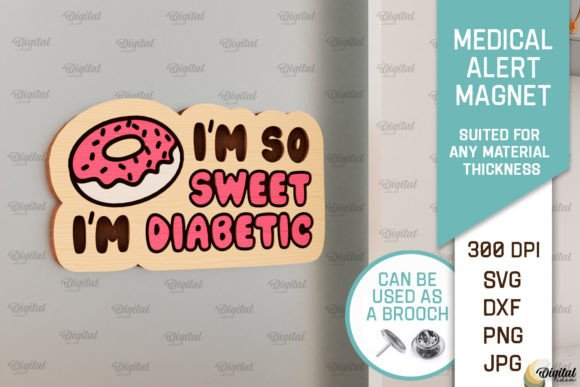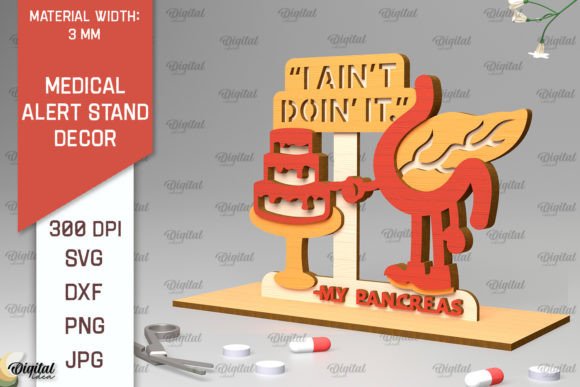
A Medical Alert Design for Embroidered Products
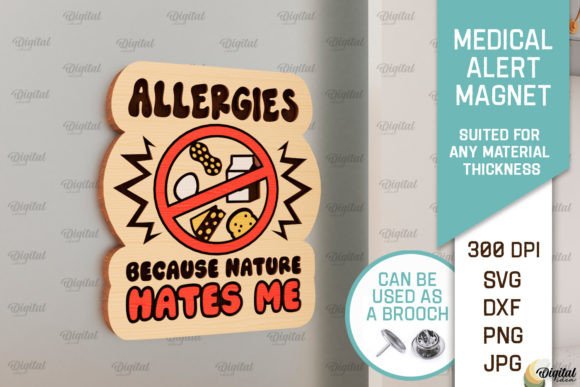
Let’s talk about the “Allergy Medical Alert Magnet Laser Cut” design from a stitcher’s perspective. When I first looked at it, my immediate thought was: this has a clear, functional purpose, but it also carries a surprisingly gentle visual personality. It’s not a stark, clinical warning; the shape and layout feel approachable. That’s a crucial starting point for anyone considering this for an embroidery project. You’re dealing with a sensitive topic, but the design itself avoids being intimidating. It feels like it belongs on something meant to be used daily, like a kitchen towel or an apron, or on a personalized gift that conveys care.
The Right Project for This Design’s Mood
So, where does this embroidery file naturally fit? Imagine a client asks for a custom tote bag for a friend with severe food allergies. They want it to be useful, but also stylish—not a glaring red alert. This design answers that. The “laser cut” style implied in the title suggests clean, defined edges, which translates beautifully into satin stitch borders or crisp applique outlines in an embroidery file. It would work wonderfully on a sturdy tote bag, a canvas apron, or a linen pillow cover for a nursery. The theme is specific, so its best use is on products where the message is both practical and part of the item’s identity.
For small business owners and Etsy sellers, this opens a niche. A beautifully embroidered tea towel with this alert design isn’t just a towel; it’s a thoughtful product for a household managing allergies. It adds real value and customer trust because it shows you understand the need for both function and aesthetics. For a craft fair, items like this stand out as purposeful and handmade with consideration.
Stitching It Into Real Life: A Practical Scenario
Here’s a real case: You’re preparing an embroidered sweatshirt for a teen with a medical alert. You want it to be wearable, not like a medical ID. You choose this design. On a mid-weight sweatshirt fabric, how will it look? The key will be stitch density and clarity. Small lettering, like “Allergy,” needs careful testing. You’d want to run a sample on scrap fabric first, checking thread color contrast—a medium-toned thread on a heather gray sweatshirt might be perfect. It should be clear without shouting.
Navigating the Technical Embroidery Landscape
This design’s performance hinges on smart application. On curved surfaces like caps, the circular magnet-inspired shape could be excellent if the file is adapted well. However, on very textured or stretchy fabrics, the details might get lost. Dark fabric backgrounds demand bright, opaque thread choices. For products needing frequent washing, like baby clothes or kitchen towels, you’d want a robust stabilizer and durable thread to maintain the design’s integrity over time.
The visual appeal for commercial embroidery projects is about professionalism. A clean, well-stitched version of this on a boutique’s branded apron or a personalized gift blanket shows attention to detail. It enhances the handmade presentation because it solves a real problem with craft. For digital product sellers, using this design in printable mockups for tote bags or baby items can attract buyers looking for meaningful design assets.
Where to Proceed With Caution
Some situations require extra care. Very small hoop sizes might compress the details too much. Tiny lettering and dense stitch areas in the central alert symbol need inspection on your machine. I always advise testing a design like this in both black and white mockups to see how it reads on light and dark backgrounds before committing to a client’s project. Layered garments or thin fabrics might not support the stitch structure needed for clarity. Always check the actual embroidery file for recommended hoop size and stitch count if that information is provided.
Turning a Design Into a Trusted Product
How does the “Allergy Medical Alert Magnet Laser Cut” affect your final product? When stitched well, it boosts recognition and giftability. A parent receiving a custom embroidered baby blanket with this alert feels understood. It’s not just decor; it’s a communication tool stitched with care. For your craft business, it builds brand consistency if you specialize in thoughtful, personalized items. It engages buyers because it addresses a specific need they might not find elsewhere.
From a professional designer’s notebook, here are quick notes for using this design:
- Test on scrap fabric first, matching your final project’s fabric type.
- Review stitch density, especially in any fill stitch areas, to prevent fabric puckering.
- Check thread color contrast thoroughly—sometimes a slight shift from pure white to a soft cream makes it blend better on everyday items.
- Use proper stabilizer; this isn’t a design you want to distort.
- Confirm the licensing terms of the digital embroidery file before selling finished items or incorporating it into commercial embroidery projects for clients.
Ultimately, this design is a practical asset. It’s not for every project, but for the right one—a custom apparel item, an embroidered patch for a backpack, a holiday gift for someone with dietary needs—it brings a quiet professionalism. It reminds us that embroidery can be both beautiful and purposeful, stitching clarity and care directly into the fabric.