A Hematology Nurse Embroidery Design: Crafting with Confidence
The First Stitch Impression
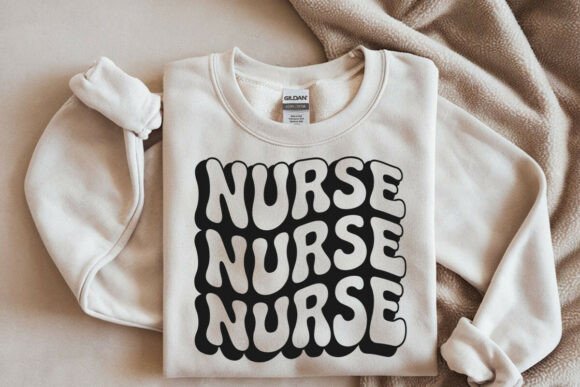
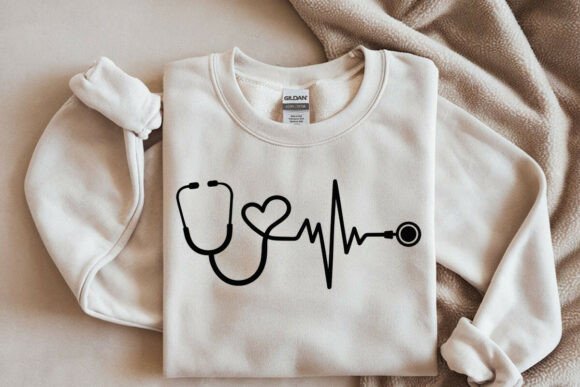
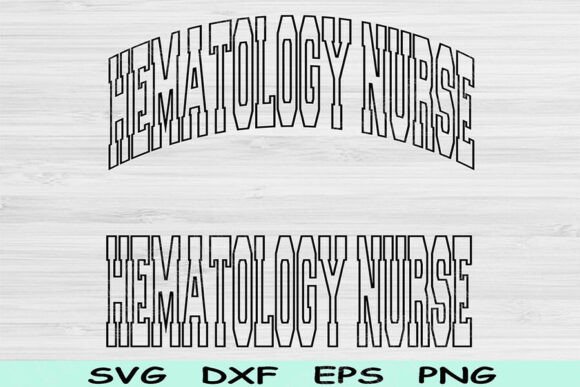
When I opened the Hematology Nurse Svg Cut File, the first thing I noticed was its clarity. This isn't a busy, overworked graphic. It's a straightforward, confident statement. The mood it creates is one of quiet pride and specialization. As a designer, I appreciate layouts that don't fight with the embroidery process, and this one feels like it belongs naturally on fabric. The theme is instantly recognizable, which is key for a personalized gift or custom apparel item. It has a visual personality that is professional yet approachable—perfect for the handmade market.
Where This Design Finds Its Home
In my work, a design's true worth is measured by how gracefully it adapts to different projects. This Hematology Nurse svg file has a versatility that I find practical. Imagine preparing a custom embroidered tote bag for a nurse graduating into hematology. The clean design would stitch out beautifully on the bag's canvas, creating a durable and cherished piece. For a boutique product, like an embroidered patch, it offers crisp edges that customers trust. I can easily envision it on a high-quality sweatshirt, a crisp apron, or even as a subtle accent on a pillow cover for a home office.
For creative entrepreneurs, this design serves multiple roles. It's a solid foundation for holiday gifts—think a beautifully stitched tea towel or blanket for a nurse during the holidays. It works wonderfully for baby clothes if you're crafting for a nurse's newborn, adding a sweet, personalized touch to nursery decor. As an Etsy seller, I consider how a design looks in printable mockups and digital product previews. This one has the simplicity that presents well, aiding buyer engagement for your craft business listings.
The Real-World Stitching Scenario
Let's walk through a real-life application. I'm thinking of a client who wants an embroidered cap for a hematology nurse friend. The curved surface of a cap is a test for any embroidery file. With this design, the lack of overly intricate, tiny lettering is a relief. The shape is bold enough to maintain stitching clarity on a curved surface. On a dark fabric sweatshirt, with proper thread color contrast—perhaps a bright, clean white or a soft silver satin stitch—it would pop with professionalism. On a baby's soft cotton blanket, using a gentle fill stitch, it would feel cozy and handmade.
Careful Considerations for a Clean Finish
Every experienced embroidery designer knows that even a great design requires thoughtful application. Here are my practical notes for using this Hematology Nurse svg in your projects.
First, fabric choice matters. On highly textured fabrics, like certain knit sweaters, the detail level needs to be assessed. I would always test the design on a scrap of the actual project fabric first. For thin or stretchy fabric, like some t-shirts, stabilizer is non-negotiable to prevent puckering and maintain the design's integrity. When considering small hoop sizes, review the stitch density and any potential dense stitch areas. The design appears open, which is good, but always inspect the small details in a test run.
For layered garments or products that need frequent washing, like kitchen towels, the embroidery must be robust. A clean running stitch outline or a solid satin stitch fill would hold up well here. I also advise checking it in both light and dark fabric background mockups before committing thread. This isn't just about aesthetics; it's about product value and longevity, which directly affects customer trust and your brand consistency as a small shop owner.
Visual Appeal and Commercial Sense
From a commercial embroidery perspective, this design affects several key areas. Its visual appeal is direct and professional, which enhances the perceived value of the finished product. For a digital product seller, it's a clean design asset that can be confidently offered. However, a crucial step for any maker is to confirm the licensing before selling finished items or digital products derived from the file. The product description mentions these are digital artwork files, but specifics on commercial use are essential to check.
The design's giftability is high because of its specific recognition. It speaks directly to a hematology nurse, making a personalized gift feel thoughtful and unique. For an apparel decorator, this specificity can be a strength, attracting a niche but dedicated audience. The handmade presentation benefits from the design's clarity—it won't look messy or overcrowded after stitching.
A Designer's Final Checklist Before the Hoop
Before I load any embroidery file for a real project, I follow a personal checklist. For this Hematology Nurse Svg Cut File, here’s what I’m thinking.
- Test, Always Test: Run the design on scrap fabric. This reveals any issues with stitch density or tiny corners.
- Color Contrast: Plan your thread colors carefully against the final fabric. Don't assume white on white will work.
- Hoop Size & Stabilizer: Match your hoop size to the design's dimensions and use the correct stabilizer for your fabric type.
- Background Check: See how it looks on both light and dark backgrounds. Sometimes a design needs a slight color adjustment.
- End-Use Alignment: Is this for a delicate baby item or a rugged tote bag? Adjust your thread and stabilizer choices accordingly.
- License Verification: Clearly understand if the file is for personal projects, commercial embroidery projects, or both.
- Machine Compatibility: While the product type is Graphics, ensure the file formats are compatible with your embroidery machine before purchase.
This Hematology Nurse svg file, from my point of view as a practitioner, is a solid, workable design. It doesn't promise magic; it promises a clean result when handled with skill. That's the kind of asset I value for my craft business, for an Etsy listing, or for creating a gift that truly resonates. It's a reminder that in the Crafts and Graphics world, the best designs are those that empower the maker to create something excellent, without unnecessary complication.