A Designer’s Look at a Cancer Nurse Embroidery Design
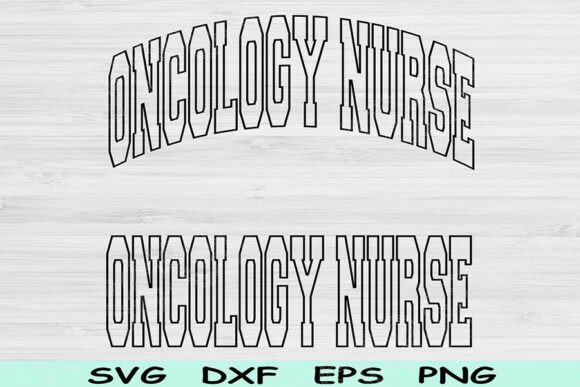
Whenever a new embroidery file lands on my screen, my first thought isn’t about the product description. It’s about the final stitch. How will this design translate from a digital graphic to a textured, tangible piece on fabric? That’s the lens I’m using to evaluate this Oncology Nurse Svg Files, Cancer Nurse design.
The Immediate Mood & Where It Finds Its Home
The phrase “oncology nurse” carries immense weight. It’s a title of profound respect and compassion. As a designer, I see this design not as a generic graphic, but as a focused tribute. The straightforward wording suggests clarity and strength. It’s not overly ornate or playful, which feels appropriate. This creates a mood of recognition, dignity, and gratitude.
For an embroidery project, this naturally belongs to items meant as personalized gifts or custom apparel with a deeply personal connection. Imagine embroidering this onto a soft, high-quality sweatshirt for a nurse after a long year, or stitching it onto a sturdy tote bag they’ll use every day. It feels perfect for a handmade product meant to acknowledge someone’s specific, challenging role. It wouldn’t feel right on a whimsical baby blanket, for instance, but it would be incredibly meaningful on a pillow cover for their office or a well-made apron for a team event.
Visual Appeal and Stitching Practicality
In my experience, text-based designs like this one hinge on clarity. The success of the finished product depends entirely on how cleanly the letters stitch out. Since specific details like exact stitch counts aren’t provided here, a designer’s first step is always a test run. I would stitch this out on a scrap of the intended fabric first—say, a piece of cotton twill for a tote or a sample of the sweatshirt material.
The layout is likely simple, which is excellent for embroidery. It means fewer potential issues with tiny, dense details that can pucker or fill unevenly. However, the size of the lettering is crucial. If the text is relatively small, it will require careful attention to stitch density and hoop size to prevent lettering from becoming blurry or filled-in. On a curved surface like a cap, small text can be tricky to stabilize perfectly.
Where This Design Should Be Used Carefully
Some applications demand extra forethought. On textured fabrics like certain knits or linens, the clean lines of satin stitch lettering might not appear as sharp. On dark fabric, you’ll need to choose thread colors with strong contrast—a bright white or a vivid, solid color to ensure the words pop and maintain that respectful, professional look.
For items that need frequent washing, like a kitchen towel (though this design feels more sentimental than utilitarian), you’d want to ensure the stitch density is robust enough to withstand wear without fraying. This is why testing on scrap fabric is non-negotiable. It reveals how the embroidery file performs in real-life conditions.
Adding Value to Your Craft Business
For Etsy sellers, small shop owners, and creative entrepreneurs, this design represents a niche but powerful product. It speaks directly to a community with high emotional resonance. A clean, well-embroidered “oncology nurse” patch on a durable bag or a beautifully stitched phrase on a premium hoodie adds significant perceived value. It’s not a mass-market slogan; it’s a specific honor. This builds customer trust and engagement because your product meets a genuine, heartfelt need.
When creating printable mockups for your shop or digital product previews, showing this design on appropriate items is key. Display it on a muted, professional-looking sweatshirt or a sturdy tote, not on a party tee. That consistency in presentation reinforces the design’s inherent mood and boosts your brand consistency as a thoughtful maker.
A Real-Life Project Scenario: The Gift Tote
Let’s walk through a typical scenario. I’m preparing a custom embroidered tote bag for a client who wants to gift it to their sister, an oncology nurse. My first step after acquiring the Oncology Nurse Svg Files, Cancer Nurse design is to check the licensing for commercial embroidery use on finished items—a must for any craft business.
I’ll then test the design on a scrap of the bag’s canvas fabric. I’m checking for clarity, thread color contrast (maybe a deep blue on a natural canvas?), and whether any small serifs or details in the lettering stitch out cleanly without jumps. I’ll consider using a firm stabilizer to keep the fabric stable during stitching, especially since bags can be thick. The result needs to look professional and durable—this isn’t a disposable item. A well-executed stitch here turns a simple tote into a cherished, daily-use personalized gift that carries meaning every time it’s seen.
Essential Designer Notes Before You Stitch
- Always test the machine embroidery design on a scrap of your intended project fabric first.
- Check thread color contrast against both light and dark fabric backgrounds in your software or mockup.
- Review the implied stitch density in the file preview; very dense fills on lightweight fabrics can cause puckering.
- Confirm your physical hoop size can accommodate the design at the size you want to stitch it.
- Inspect any small details or corners in the lettering to plan for potential needle adjustments.
- Use the proper stabilizer for your fabric type—this is critical for text clarity.
- Clarify the licensing terms if you plan to sell the finished product or use it in commercial embroidery projects.
In the end, the Oncology Nurse Svg Files, Cancer Nurse design is a tool. Its success depends entirely on the care and skill applied by the maker. It’s a graphic with a clear, powerful purpose. When embroidered with attention to fabric, thread, and technique, it transforms into a product that holds real emotional and professional weight—a perfect example of how a thoughtful embroidery project can resonate far beyond the stitches themselves.