A Designer's Practical Review of the Bowel SVG Bundle
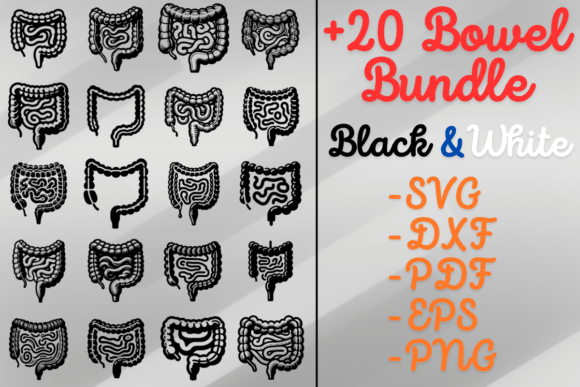
When a new embroidery file lands in my digital library, I don't just admire it on screen. I immediately start picturing how it will translate into thread on fabric. Today, I’m looking at the Bowel SVG Bundle, a collection that definitely makes a strong first impression. Its theme is clear: it’s anatomical, educational, and unabashedly detailed. This isn’t a whimsical floral motif; it’s a design with a specific purpose and audience. The mood it creates is one of intelligent curiosity, perfect for projects meant to inform, celebrate a profession, or simply showcase a love for science.
Where This Bundle Naturally Belongs in Real Projects
The visual personality of the Bowel SVG Bundle tells me exactly where it should go. I’m thinking of a custom tote bag for a nursing student, or a discreetly embroidered patch on a medical student’s backpack. It would make a fantastic, personalized gift for a gastroenterologist—perhaps stitched onto the cuff of a high-quality lab coat or the corner of an apron for a science educator. For small shop owners in niche markets, this bundle opens doors. Imagine a boutique focusing on gifts for healthcare workers; an embroidered pillow cover or tea towel with this design becomes a unique, conversation-starting product.
For my own craft business, I see potential in high-value items. This isn't a design for mass-producing cheap t-shirts. It’s for thoughtful, handmade products where the embroidery itself is the star. The detail level suggests it would look impressive on a dense sweatshirt or a structured canvas bag, where the stitch work can be appreciated. The educational theme also makes it suitable for nursery decor in a very specific, modern home—think a personalized blanket for a child of doctors, moving far beyond typical baby embroidery themes.
Considering Stitch Clarity and Fabric Choices
Moving from concept to machine, the real-life performance of an embroidery file is everything. With a detailed bundle like this, my primary consideration is stitch density and hoop size. The intricate lines and shapes inherent to an anatomical design mean that small hoop sizes could be problematic. I would not attempt this on a tiny baby garment cap without first testing a single element on scrap fabric to see if the finer details remain clear.
Fabric texture is another key factor. A smooth, tight-weave cotton or a sturdy polyester for a tote bag would be ideal, allowing the satin stitches and fill stitches to sit cleanly. Stretchy fabrics or highly textured materials like some sweaters could distort the precise shapes. For dark fabric backgrounds, careful thread color contrast is essential—a bold, light-colored thread palette would be needed to maintain the design's educational clarity and visual appeal.
Using proper stabilizer is non-negotiable here. A detailed design with potential for dense areas needs a solid foundation to prevent puckering, especially on apparel like t-shirts or sweatshirts. This directly impacts customer trust and the professionalism of the finished product. A poorly executed, wobbly anatomical diagram on a gift looks amateurish; a crisp, clean stitch-out looks like a premium handmade product.
The Commercial Value and Practical Application Notes
From a commercial embroidery perspective, the Bowel SVG Bundle represents a valuable design asset. For Etsy sellers or digital product creators, it could be used to create stunning printable mockups for digital listings. For those selling physical items, it allows for creating a cohesive line of products—aprons, pillow covers, kitchen towels—all with the same intelligent theme, aiding brand consistency for a niche shop.
However, its use requires careful thought. On curved surfaces like caps, the longer, flowing lines of the design might need adaptation. The bundle’s visual appeal lies in its accuracy, so placing it on a severely curved area could compromise that. I would also be cautious with products needing frequent washing, like baby clothes or everyday tea towels. A very dense stitch area might wear differently over time. Testing on the final intended fabric is a must.
A Real Scenario: Crafting a Boutique Holiday Gift
Let's walk through a real case. I’m preparing a custom embroidered sweatshirt as a holiday gift for a client who is a surgeon. I select a suitable element from the Bowel SVG Bundle. My first step is always to stitch it out on a scrap piece of the same heavyweight sweatshirt fabric I’ll use. This lets me inspect the small details, check that no corners are too tight for my machine’s running stitches, and confirm the overall size looks balanced on the garment.
I then consider thread colors. Should I use realistic hues or a more artistic, monochromatic scheme? I might test both in simple black and white mockups to see which version has better stitching clarity and giftability. The goal is a finished product that feels both personal and professionally made. This bundle, used well, can elevate a simple sweatshirt into a thoughtful, high-engagement gift that resonates deeply with the recipient.
Essential Designer Checks Before Hooping the Final Product
Before any design meets my final fabric, I have a routine. For this bundle, it would involve:
- Testing on both light and dark scrap fabric to judge thread contrast.
- Reviewing the stitch density in the embroidery software preview to anticipate any overly thick areas that might need slight adjustment for my specific machine.
- Confirming the physical hoop size needed accommodates the design comfortably, allowing for proper stabilizer use.
- Most critically, checking the licensing terms of the Bowel SVG Bundle itself. Is it for personal use only, or does it allow for commercial use in selling my handmade products or custom apparel? This is a fundamental step for any craft business or Etsy seller.
The Bowel SVG Bundle is a specialized tool. Its value isn't in universal appeal, but in targeted, precise application. When used on the right product, with the right technique, it can create embroidery that stands out for its intelligence and craftsmanship. It reminds us that embroidery isn't just decorative; it can be informative, respectful, and deeply personal. As a designer, that’s a satisfying project to bring to life.