A Design Review for "Public Health Nurse" Embroidery
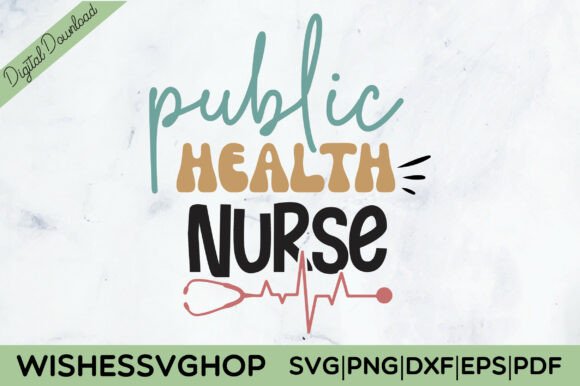
As someone who stitches designs for clients and my own shop daily, I always look at a new file with a practical eye. I'm not just seeing the graphic; I’m picturing how it will look stitched out on fabric, how it will feel as a finished product, and whether it will resonate with a customer. Today, I’m walking through my thoughts on the Public Health Nurse SVG PNG design from that very perspective.
The Immediate Impression: Clear, Respectful, and Ready to Work
Opening this design, the first thing you notice is its straightforward, respectful theme. The layout is typically centered around clear text with supporting graphical elements—often a badge, heart, or similar symbol representing care. This isn't a whimsical or overly decorative file; it has a professional, appreciative mood. Visually, it feels destined for a project meant to honor or celebrate someone in that vital profession. The detail level in an SVG is usually clean lines, which translates well into embroidery stitches without unnecessary complexity that can bog down a machine or blur on fabric.
This design naturally belongs to personalized gifts, appreciation items, or merchandise for healthcare-themed small businesses. It doesn’t scream "fun"; it speaks "value" and "recognition."
Where This Design Shines in Real Projects
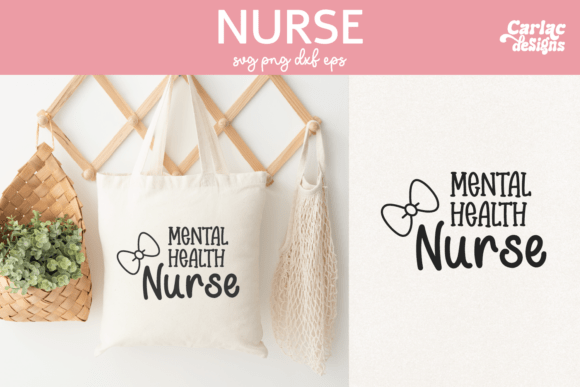
Let’s imagine a real scenario: a client requests a custom embroidered tote bag for a nurse graduating their program. They want something durable, professional-looking, and meaningful. This is where Public Health Nurse SVG PNG comes into play.
On a sturdy canvas tote, the design would stitch out with clarity. The text, if well-digitized in the file, will be legible and impactful. On a heavyweight sweatshirt or a nurse’s apron, it would look equally official and gift-worthy. For baby items—say, a blanket for a new baby whose parent is a nurse—the design offers a way to personalize with the parent’s profession in a sweet, subtle way. As an embroidered patch, it could be applied to a backpack or uniform bag, adding a handmade touch.
Its application extends to boutique products for small shops focusing on healthcare workers, holiday gifts like "Thank You" pillows during Nurses Week, or even digital product previews for sellers offering custom embroidery services. The clean graphic nature makes it a strong candidate for printable mockups to attract customers.
Considering Commercial Use and Customer Appeal
Using this design on products for sale, like in an Etsy shop or craft fair booth, adds a layer of perceived value. A well-embroidered sweatshirt with this design feels more thoughtful than a generic printed one. It builds customer trust through its handmade presentation. For creative entrepreneurs, it can support brand consistency if your shop focuses on professional or appreciation-themed items. The "giftability" is high—it’s clearly meant for someone specific, which increases buyer engagement for those seeking a meaningful present.
Caution Areas: Where to Tread Carefully
No design is universally perfect for every substrate. With a theme like this, you often have smaller textual elements or detailed corners in accompanying graphics. On very small hoop sizes—think a tiny cap curve or a baby bib corner—those details might become too dense or lose clarity. Stitching on textured fabrics (like some sweaters) or stretchy fabrics (like certain t-shirts) requires extra attention to stabilizer to keep the lettering sharp.
Dark fabric presents a classic challenge: you need excellent thread color contrast. A white or light fill stitch on a dark navy sweatshirt will pop, but ensure the design isn’t so intricate that light thread on dark fabric makes small gaps disappear visually. Also, consider products that need frequent washing, like kitchen towels or everyday wear apparel. A design with very dense stitch areas might be less durable over many washes than one with more open, running stitch elements.
The key is to match the design’s inherent personality—clean and respectful—with a product that supports that. A beautifully stitched, crisp design on a high-quality pillow cover will look professional for years. On a thin, cheap tee, it might look less substantial.
Practical Notes from the Embroidery Machine
Before committing this to a client’s project or your own stock, do the standard due diligence. Always test the design on scrap fabric first, using the same material you plan for the final product. This reveals everything: stitch density issues, how small details like the letters "Public Health Nurse" actually form, and whether the overall size works for your vision.
Check thread color contrast against your fabric background. Run a quick mental review: would this look better in classic white on navy, or perhaps a soft blue on grey? Inspect the small details in the file preview; if the SVG has very thin lines, they might translate to single-run stitches that could be fragile.
It’s wise to test the design concept in black and white mockups to judge its form without color distraction. Compare how it might look on both light and dark fabric backgrounds—sometimes a design feels different on each. Using proper stabilizer is non-negotiable for maintaining clarity, especially on stretchy or textured surfaces.
Crucially, since this is a digital embroidery file from the Crafts and Graphics category, confirm the licensing terms provided by the seller. Check whether the file is cleared for both personal and commercial projects before you sell finished items or use it in commercial embroidery work for clients. This step protects your business and respects the designer.
The Final Stitch: A Design Built for Meaningful Making
In essence, the Public Health Nurse SVG PNG design is a tool for creating products with heart and recognition. Its value isn’t in flashy complexity, but in its clear, appropriate theme for a niche audience. When stitched with care on a suitable product, it elevates a simple item into a personalized gift or a valued piece of small shop merchandise. It reminds us that embroidery isn’t just decoration; it’s a way to honor a profession, celebrate an individual, and build a craft business around designs that matter to real people. Your job as the maker is to pair it with the right fabric, the right stabilizer, and the right intent, so that every stitch reflects the respect the design intends to convey.